



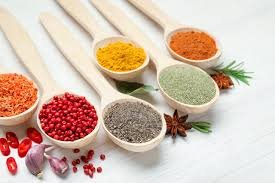
Introduction: Why Natural Herbs Are Powerful Immunity Allies
In today’s fast-paced world, maintaining a strong immune system is more important than ever. While no single herb is a magic cure, centuries of traditional medicine — backed by modern science — show that certain plants carry remarkable properties that help the human body resist infections, reduce inflammation, and recover faster from illness.
Whether you are dealing with seasonal colds, chronic fatigue, or simply want to stay healthy year-round, incorporating immunity-boosting herbs into your daily routine can make a meaningful difference. This guide covers the top 10 herbs for boosting immunity naturally, with a special focus on ginger, turmeric, echinacea, and tulsi — four of the most researched and widely used herbs in the world.
Let’s explore what makes these herbs so powerful, how to use them, and what science says about their effectiveness.
1. Ginger — The Warming Immunity Powerhouse
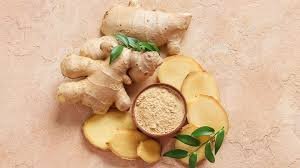
What Makes Ginger So Effective?
Ginger (Zingiber officinale) is one of the most widely consumed spices globally, and for good reason. Its active compound, gingerol, gives ginger its distinctive flavor — and its therapeutic punch. Gingerol has strong anti-inflammatory and antioxidant properties that directly support immune function.
How Ginger Boosts Immunity
- Inhibits the growth of harmful bacteria and viruses
- Reduces chronic inflammation, which weakens the immune system over time
- Soothes sore throats and eases respiratory infections
- Stimulates digestive enzymes that improve nutrient absorption — key for immune health
How to Use Ginger for Immunity
The most effective and enjoyable way to use ginger is through fresh ginger tea. Slice a thumb-sized piece of fresh ginger, steep it in hot water for 10 minutes, add honey and lemon, and drink it once or twice daily. You can also add grated ginger to soups, stir-fries, and smoothies for daily immune support.
Scientific Backing
Research published in the Journal of Ethnopharmacology confirms that ginger extract significantly reduces the production of pro-inflammatory cytokines — molecules that, in excess, suppress immune response and promote disease progression.
2. Turmeric — The Golden Anti-Inflammatory Herb
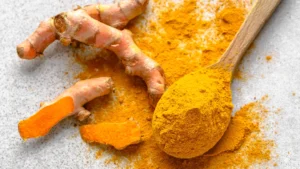
The Role of Curcumin in Immunity
Turmeric (Curcuma longa) contains curcumin, one of the most thoroughly studied natural compounds in modern science. Curcumin is a potent antioxidant and anti-inflammatory agent that actively modulates the immune system rather than simply stimulating it — meaning it can both boost a weak immune response and calm an overactive one.
Immunity Benefits of Turmeric
- Enhances the activity of natural killer (NK) cells that destroy infected cells
- Supports production of antibodies
- Reduces systemic inflammation that makes the body vulnerable to disease
- Improves liver function, which is central to detoxification and immunity
Best Way to Consume Turmeric
Curcumin is poorly absorbed on its own. Combine it with black pepper (which contains piperine) to increase absorption by up to 2000%. Golden milk — a warm blend of turmeric, black pepper, ginger, and coconut milk — is a traditional and highly effective daily immune tonic. We cover turmeric in greater detail in Article 3 of this series.
3. Echinacea — Nature’s Cold and Flu Fighter
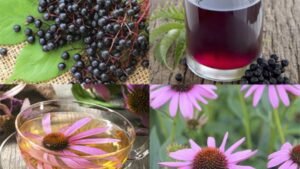
What Is Echinacea?
Echinacea is a genus of flowering plants native to North America, used for centuries by Indigenous peoples to treat wounds, infections, and illness. Today, it is one of the best-selling herbal supplements worldwide, primarily valued for its ability to prevent and shorten the duration of colds and flu.
How Echinacea Supports the Immune System
- Increases the production of white blood cells, the frontline defenders of your immune system
- Activates macrophages — cells that engulf and destroy pathogens
- Contains polysaccharides and alkylamides that directly stimulate immune activity
- Has antiviral properties that reduce viral replication
How to Take Echinacea
Echinacea is most effective when taken at the first sign of illness. It is available as teas, tinctures, tablets, and capsules. For prevention, use it in short cycles — 10 days on, 3 days off — to prevent your immune system from becoming desensitized to it. Do not use continuously for more than 8 weeks without consulting a healthcare professional.
Research Summary
A meta-analysis of 14 clinical trials published in Lancet Infectious Diseases found that echinacea reduced the incidence of the common cold by 58% and reduced its duration by 1.4 days — a significant finding for a natural herb.
4. Tulsi (Holy Basil) — The Queen of Herbs
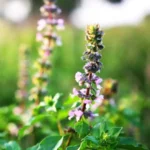
Tulsi’s Sacred Role in Ayurveda
Tulsi (Ocimum sanctum), also known as Holy Basil, holds a revered place in Ayurvedic medicine and Indian culture. It has been used for over 3,000 years as an adaptogen — a herb that helps the body adapt to physical, emotional, and environmental stress, all of which directly impact immunity.
Immunity Benefits of Tulsi
- Rich in vitamin C and zinc, two essential nutrients for immune function
- Contains eugenol, rosmarinic acid, and ursolic acid — powerful anti-inflammatory compounds
- Reduces cortisol levels (the stress hormone), allowing the immune system to function optimally
- Antimicrobial properties effective against bacteria, fungi, and viruses
- Supports respiratory health, relieving congestion, asthma, and bronchitis symptoms
Daily Use of Tulsi
Tulsi tea made from fresh or dried leaves is the simplest and most popular way to use this herb daily. Steep 5 to 10 fresh leaves in hot water for 5 minutes. You can also take it in capsule or tincture form. Many people in South Asia chew a few fresh tulsi leaves first thing in the morning as a daily immunity ritual.
5. Garlic — Ancient Antibiotic from Your Kitchen
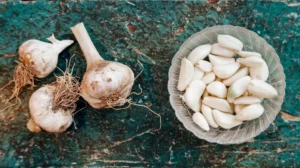
Garlic (Allium sativum) contains allicin, a sulfur compound released when garlic is crushed or chopped. Allicin is a natural antimicrobial agent with proven effectiveness against a wide range of bacteria, viruses, and fungi. Studies show that people who take garlic supplements daily experience fewer colds and recover faster when they do get sick. Crush raw garlic and let it sit for 10 minutes before eating to maximize allicin production.
6. Elderberry — Antiviral Berry with Centuries of Use
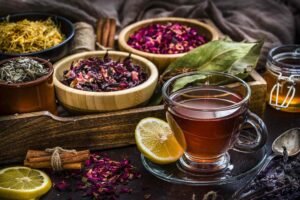
Elderberry (Sambucus nigra) is rich in anthocyanins, powerful antioxidants that strengthen the immune system at the cellular level. Clinical trials show elderberry can reduce the duration of flu by an average of four days. It is available as syrups, gummies, and teas. It works best as a preventive measure during flu season. Do not consume raw elderberries — they must be cooked or properly processed to be safe.
7. Astragalus — Adaptogen for Long-Term Immune Resilience
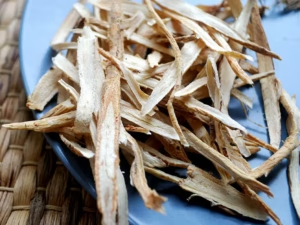
Astragalus (Astragalus membranaceus) is a foundational herb in Traditional Chinese Medicine, used to build what practitioners call ‘wei qi’ — defensive energy. Modern research shows it stimulates the production and activity of immune cells including T-cells and B-cells. Unlike echinacea, astragalus is suitable for long-term daily use and works best as a slow, steady immune builder rather than an acute remedy.
8. Licorice Root — Soothing and Antiviral
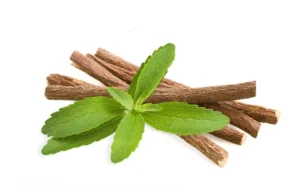
Licorice root (Glycyrrhiza glabra) contains glycyrrhizin, a compound with well-documented antiviral properties. It has been studied for its ability to inhibit viruses including influenza and even SARS-related coronaviruses in laboratory settings. It also soothes inflamed mucous membranes, making it valuable for respiratory infections. Use it sparingly — excessive consumption can raise blood pressure.
9. Cat’s Claw — Tropical Immunity Booster
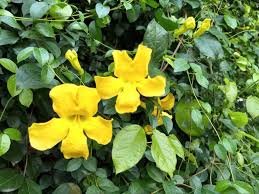
Cat’s Claw (Uncaria tomentosa) is a vine from the Amazon rainforest whose bark and root contain alkaloids that strongly stimulate the immune system. Studies show it enhances white blood cell production and has anti-inflammatory properties. It is available in capsule and tea form and is particularly popular for supporting immunity in people dealing with chronic illness or fatigue.
10. Oregano — Culinary Herb with Potent Antimicrobial Power
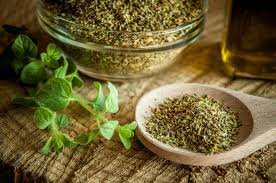
Oil of oregano (Origanum vulgare) is one of the most powerful natural antimicrobial agents available. Its main active compounds, carvacrol and thymol, have been shown to kill bacteria and viruses in laboratory studies. Use oregano oil in small amounts — it is highly concentrated. Add dried oregano generously to your cooking as a simple daily immune-supportive practice.
How to Build an Herbal Immunity Routine
You don’t need to use all ten herbs at once. A simple, sustainable daily routine might look like this:
- Morning: Tulsi or ginger tea with raw honey
- Meals: Cook with turmeric (with black pepper), garlic, and oregano regularly
- Supplements: Elderberry syrup or astragalus capsules during cold and flu season
- Acute illness: Echinacea tincture at first sign of symptoms
Precautions and When to Consult a Doctor
While herbs are generally safe when used appropriately, they are not substitutes for medical treatment. If you are pregnant, breastfeeding, or taking prescription medications — especially blood thinners, immunosuppressants, or blood pressure medications — consult your doctor before adding new herbs to your routine. Some herbs, like echinacea and licorice root, are not recommended for people with autoimmune conditions.
❓ FAQs
Do herbs really improve immunity?
They support and regulate immune function over time — not instantly.
Which herb works fastest?
Echinacea and elderberry are more useful during active illness.
Can I take multiple herbs together?
Yes, but keeping it simple is usually more effective.
Conclusion: Focus on Consistency, Not Perfection
Nature has provided us with an incredible pharmacy of immune-supporting herbs. Whether you start with a daily cup of ginger tea, add turmeric to your morning smoothie, or keep elderberry syrup in your medicine cabinet, these top 10 herbs for boosting immunity naturally are among the safest and most effective tools available for protecting your health. Consistency is key — the greatest benefits come from making these herbs a regular part of your lifestyle, not just an occasional remedy.

