



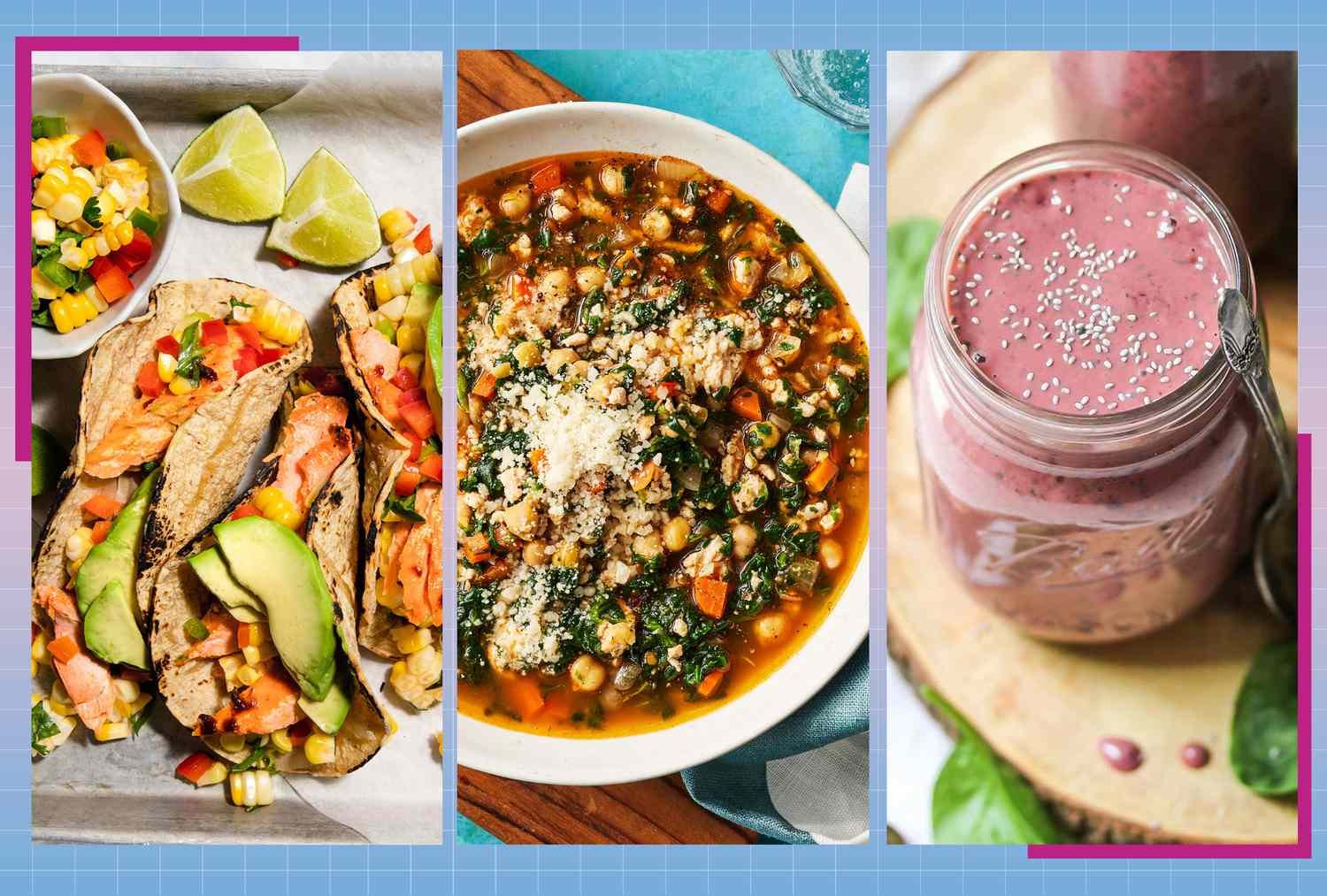
Inflammation is the body’s natural response to injury, infection, or harmful stimuli. In the short term, it plays a protective role. However, when inflammation becomes chronic, it can quietly contribute to serious health issues such as heart disease, arthritis, diabetes, obesity, and digestive disorders.
This growing awareness has led many people to explore healthier eating habits, and one approach that continues to gain attention is the anti-inflammatory diet.
For those wondering what is the anti inflammatory diet, it is a balanced eating plan designed to reduce chronic inflammation by focusing on nutrient-rich whole foods while limiting processed and inflammatory ingredients.
For beginners, the idea of changing eating habits may seem overwhelming. Fortunately, following a structured anti inflammatory diet plan can make the process simple, practical, and sustainable.
This guide outlines a complete 7 day anti inflammatory diet meal plan, along with food recommendations, expert insights, and practical strategies for long-term success.
What Is the Anti Inflammatory Diet?
The anti-inflammatory diet is not a strict set of rules or a temporary eating trend. Instead, it is a long-term nutritional approach centered around foods that support the body’s natural healing processes.
According to every experienced anti inflammatory diet nutritionist, this eating pattern focuses on reducing inflammatory markers through smart food choices.
The diet encourages:
- Fresh fruits and vegetables
- Healthy fats
- Whole grains
- Lean proteins
- Nuts and seeds
- Herbs and spices
At the same time, it limits foods known to trigger inflammation.
A well-designed anti inflammatory diet food list can support:
- Better digestion
- Stable energy levels
- Improved immune function
- Reduced joint discomfort
- Healthier weight management
Anti Inflammatory Diet for Beginners
Starting any new nutrition plan can feel challenging at first.
The best way to begin an anti inflammatory diet for beginners is by making small, realistic changes.
Rather than eliminating everything at once, many experts recommend replacing inflammatory foods gradually.
Examples include:
Instead of sugary breakfast cereal, choose oatmeal with berries.
Instead of processed snacks, choose almonds or walnuts.
Instead of soda, choose herbal tea or infused water.
Instead of fried meals, choose grilled salmon or roasted vegetables.
Consistency matters more than perfection.
Why a 7-Day Meal Plan Works
A meal plan removes decision fatigue.
For people trying an anti inflammatory diet to lose weight, having meals prepared in advance makes healthy choices easier.
Planning meals also helps with:
- Better portion control
- Reduced cravings
- Lower grocery costs
- Less reliance on processed foods
The following plan offers practical anti inflammatory diet ideas for every meal.
Read More: 7 Best Ready to Eat Anti Inflammatory Foods for 2026: Complete Anti-Inflammatory Diet Guide
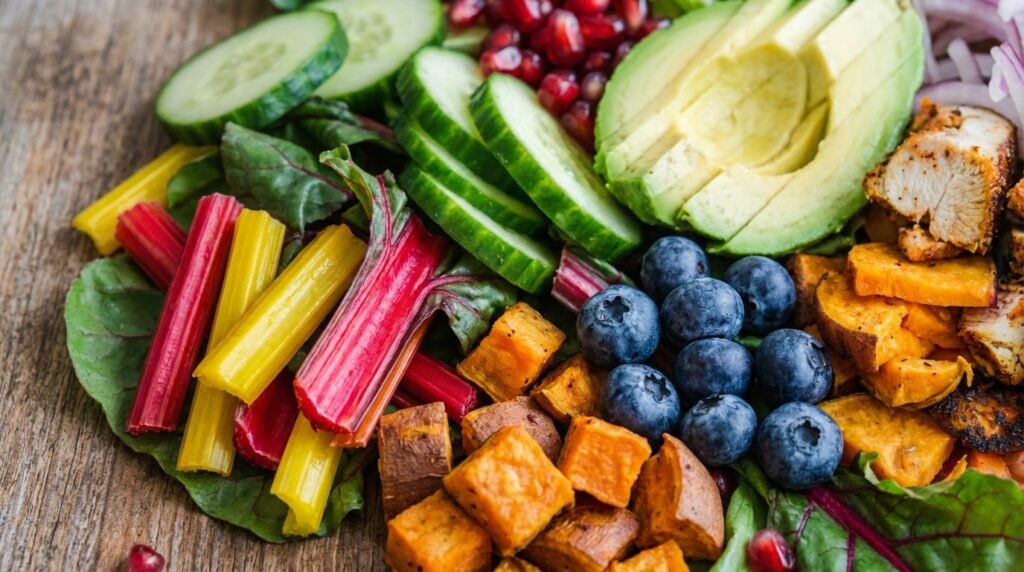
7 Day Anti Inflammatory Diet Meal Plan
Day 1: A Fresh Start
Breakfast
Overnight oats with chia seeds, blueberries, and almond milk
Lunch
Quinoa salad with spinach, cucumber, avocado, and olive oil dressing
Dinner
Grilled salmon with roasted sweet potatoes
Snack
Mixed walnuts and berries
This first day introduces several foods commonly found on an effective anti inflammatory diet list.
Day 2: Focus on Fiber
Breakfast
Greek yogurt with flaxseeds and raspberries
Lunch
Lentil soup with whole-grain toast
Dinner
Baked chicken breast with steamed broccoli
Snack
Carrot sticks with hummus
Fiber-rich meals support digestion and help regulate blood sugar.
Day 3: Healthy Fats for Healing
Breakfast
Avocado toast on whole-grain bread
Lunch
Tuna salad with leafy greens
Dinner
Brown rice bowl with grilled vegetables
Snack
Pumpkin seeds
Healthy fats are essential in the best anti inflammatory diet for women over 40, as they support hormone balance and brain health.
Day 4: Plant-Powered Nutrition
Breakfast
Green smoothie with spinach, banana, and chia seeds
Lunch
Chickpea salad with olive oil dressing
Dinner
Stuffed bell peppers with quinoa
Snack
Apple slices with almond butter
This day highlights plant-based anti-inflammatory choices.
Day 5: Protein and Recovery
Breakfast
Scrambled eggs with spinach
Lunch
Turkey lettuce wraps
Dinner
Grilled cod with asparagus
Snack
Greek yogurt
Protein supports muscle maintenance and can improve satiety for anyone following an anti inflammatory diet for weight loss.
Day 6: Joint-Friendly Nutrition
Breakfast
Oatmeal with walnuts and cinnamon
Lunch
Salmon wrap with avocado
Dinner
Vegetable stir-fry with brown rice
Snack
Orange slices
This menu includes foods often recommended in an anti inflammatory diet for joint pain.
Day 7: Sustainable Eating
Breakfast
Berry smoothie bowl
Lunch
Quinoa and black bean salad
Dinner
Roasted chicken with mixed vegetables
Snack
Dark chocolate with almonds
This final day reinforces sustainable habits.
Anti Inflammatory Diet Foods to Avoid
Success is not only about what to eat.
Avoiding the wrong foods is equally important.
The primary anti inflammatory diet foods to avoid include:
Processed Meats
Bacon, sausages, and deli meats often contain preservatives linked to inflammation.
Sugary Beverages
Soft drinks can spike blood sugar and increase inflammatory responses.
Refined Carbohydrates
White bread and pastries offer little nutritional value.
Fried Foods
These often contain unhealthy oils.
Artificially Processed Snacks
Many contain additives that disrupt metabolic health.
Reducing these foods can significantly improve results.
Anti Inflammatory Diet for Joint Pain
Many people adopt this eating style to reduce discomfort.
An anti inflammatory diet for joint pain often includes:
- Fatty fish
- Olive oil
- Turmeric
- Leafy greens
- Walnuts
- Berries
These foods provide antioxidants and omega-3 fatty acids that may help reduce stiffness.
Although results vary, many individuals report noticeable improvements within several weeks.
Best Anti Inflammatory Diet for Women Over 40
As the body changes with age, nutrition becomes even more important.
The best anti inflammatory diet for women over 40 emphasizes nutrients that support:
- Bone density
- Hormonal balance
- Muscle retention
- Heart health
Key foods include:
- Salmon
- Greek yogurt
- Flaxseeds
- Leafy greens
- Avocados
This stage of life may also prompt consideration of anti inflammatory diet supplements.
Anti Inflammatory Diet Supplements: Helpful or Hype?
Supplements can support an anti-inflammatory lifestyle, but they should not replace whole foods.
Commonly recommended anti inflammatory diet supplements include:
Fish Oil
Provides omega-3 fatty acids
Magnesium
Supports muscle and nerve function
Vitamin D
Important for immune regulation
Curcumin
The active compound in turmeric
Most experts suggest food first, supplements second.
Anti Inflammatory Diet for Weight Loss
The anti-inflammatory diet naturally supports healthy weight management.
Unlike restrictive diets, it encourages satisfying meals rich in nutrients.
An anti inflammatory diet for weight loss works by:
- Stabilizing blood sugar
- Reducing cravings
- Improving fullness
- Supporting metabolism
For anyone seeking an anti inflammatory diet to lose weight, consistency matters more than short-term restriction.
Practical Anti Inflammatory Diet Ideas for Busy People
Many beginners assume healthy eating requires hours in the kitchen.
That is not the case.
Simple anti inflammatory diet ideas include:
- Overnight oats
- Greek yogurt parfaits
- Pre-cooked salmon pouches
- Smoothie bowls
- Mixed nuts
- Hummus and vegetables
Convenience can support consistency.
Final Thoughts
A structured anti inflammatory diet plan offers a practical way to improve overall health.
For beginners, following this 7 day anti inflammatory diet meal plan can make healthy eating easier and more approachable.
By focusing on nutrient-dense foods and avoiding common inflammatory triggers, people can support better energy, improved digestion, reduced discomfort, and sustainable wellness.
The key is progress, not perfection.
Small daily improvements often lead to meaningful long-term results.
Frequently Asked Questions (FAQs)
1. What is the anti inflammatory diet?
The anti inflammatory diet is a nutritional approach focused on reducing chronic inflammation through whole, nutrient-dense foods such as fruits, vegetables, healthy fats, lean proteins, nuts, and whole grains.
It limits processed foods, refined sugar, and unhealthy fats that may trigger inflammation.
2. Is an anti inflammatory diet good for beginners?
Yes, an anti inflammatory diet for beginners is one of the easiest healthy eating plans to follow because it focuses on simple food swaps rather than strict restrictions.
Beginners can start by adding more whole foods and reducing processed meals gradually.
3. Can the anti inflammatory diet help with weight loss?
Yes.
An anti inflammatory diet for weight loss supports healthy metabolism by emphasizing high-fiber and protein-rich foods that help control appetite and reduce overeating.
Many people follow an anti inflammatory diet to lose weight because it encourages sustainable eating habits.
4. What foods should be avoided on an anti inflammatory diet?
The main anti inflammatory diet foods to avoid include:
- Sugary beverages
- Processed meats
- Fried foods
- White bread and refined carbs
- Artificially processed snacks
- Excess alcohol
Reducing these foods can lower inflammation over time.
5. Can the anti inflammatory diet reduce joint pain?
Yes.
An anti inflammatory diet for joint pain may help reduce stiffness and discomfort by including foods rich in omega-3 fatty acids and antioxidants.
Helpful foods include salmon, walnuts, berries, turmeric, and leafy greens.
6. What is included in a 7 day anti inflammatory diet meal plan?
A typical 7 day anti inflammatory diet meal plan includes:
- Oatmeal with berries
- Greek yogurt
- Salmon salads
- Quinoa bowls
- Green smoothies
- Lean proteins
- Healthy fats like avocado and olive oil
The goal is balanced nutrition throughout the week.
7. Are anti inflammatory diet supplements necessary?
Not always.
While anti inflammatory diet supplements like fish oil, vitamin D, magnesium, and curcumin can be helpful, whole foods should always be the primary source of nutrients.
8. Is this diet suitable for women over 40?
Absolutely.
The best anti inflammatory diet for women over 40 includes foods that support hormone balance, bone strength, heart health, and metabolism.
Fatty fish, leafy greens, yogurt, nuts, and seeds are excellent choices.
9. How quickly can someone see results from an anti inflammatory diet?
Some people notice improved digestion and energy within 1–2 weeks.
Long-term benefits such as reduced inflammation, better weight management, and improved joint comfort usually become noticeable after several weeks of consistency.
10. Can ready-to-eat meals fit into an anti inflammatory diet plan?
Yes.
Healthy ready-to-eat options like salmon pouches, Greek yogurt, mixed nuts, hummus, and smoothie bowls can fit well into an anti inflammatory diet plan.

