



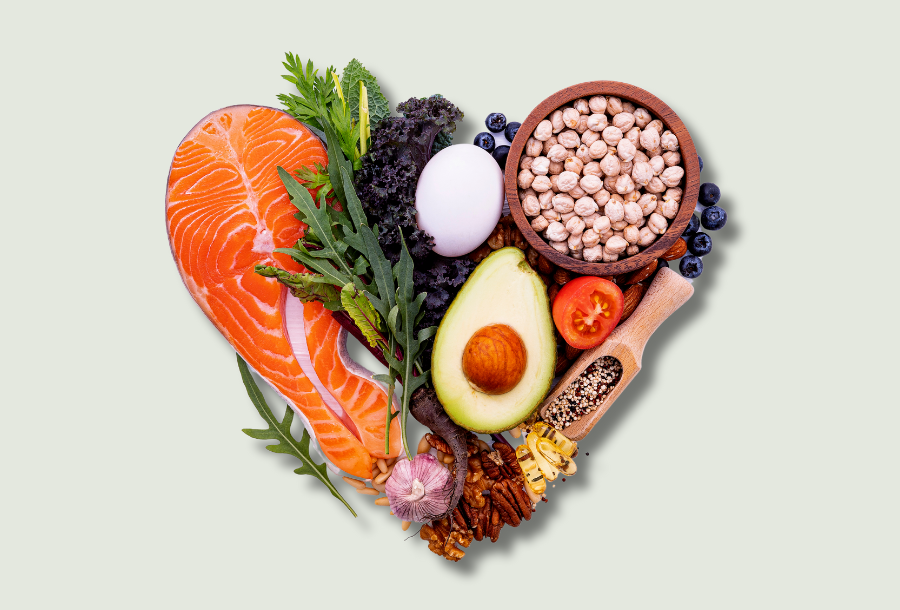
If you often feel tired or hungry shortly after eating, experience energy crashes in the afternoon, or worry about blood sugar fluctuations, you’re not alone. Many people turn to strict low-carb diets or constant calorie counting, only to feel restricted and see the results fade over time. The good news is you don’t have to give up the foods you love. The most effective, sustainable way to keep blood sugar steady is through smart food combinations and meal sequencing — pairing carbohydrates with protein, fiber-rich vegetables, and healthy fats, while eating vegetables and protein first.
This approach slows down digestion naturally, prevents sharp glucose spikes, reduces cravings, and helps maintain consistent energy throughout the day. You can still enjoy bread, rice, fruit, pasta, roti, and more — without feeling like you’re on a “diet.”
Why Food Combinations and Meal Sequencing Work So Well
When you eat carbohydrates alone — such as plain white rice, bread, or a banana — they convert quickly into glucose, causing rapid rises in blood sugar followed by crashes. This leaves you feeling drained and reaching for more food.
Pairing carbs with protein, fiber, and healthy fats acts like a natural brake:
- Fiber forms a gel-like layer in the gut that slows carbohydrate absorption.
- Protein and fats delay gastric emptying, so glucose enters the bloodstream more gradually.
- You stay fuller for longer and avoid those frustrating energy dips.
Meal sequencing (eating vegetables and protein before carbs) makes the effect even stronger. Multiple studies, including research by Saeko Imai and teams in Japan, show that starting with non-starchy vegetables and protein significantly lowers post-meal blood sugar and insulin levels — often by 20–50% — compared to eating carbs first. One long-term study found that people following a “vegetables before carbohydrate” plan achieved better HbA1c improvements over 24 months than those using a traditional exchange-based meal plan. Importantly, this benefit holds even if you eat quickly.
The best part about this “no-dieting” strategy? You’re adding nourishing foods rather than removing things. This makes it enjoyable and sustainable for the long term, whether you’re managing prediabetes, type 2 diabetes, or simply want steady energy without restrictions.
The 4 Golden Rules for Blood Sugar-Friendly Eating
Rule 1: Always Pair Carbs
Never eat carbohydrates by themselves. Always include protein, fiber, and/or healthy fat.
Rule 2: Use Meal Sequencing
Begin with non-starchy vegetables, followed by protein and fats, then enjoy your carbs (or mix them on a balanced plate). This simple shift can dramatically reduce spikes.
Rule 3: Choose Whole, Minimally Processed Foods
Prefer brown rice over white, whole-grain bread or roti, fresh fruits, and legumes.
Rule 4: Aim for Balanced Plates
Fill about half your plate with non-starchy veggies, one-quarter with protein, one-quarter with complex carbs, and add a thumb-sized amount of healthy fat. Focus on how you feel rather than perfect measurements.
Top 25 Best Food Combinations for Stable Blood Sugar
These combinations work better than single foods because they target multiple digestion pathways at once.
1. Apple + Almond or Peanut Butter
Apple’s natural fiber slows fructose absorption; the nut butter adds protein and fat. Slice one medium apple and spread 1–2 tbsp nut butter. A quick, craving-curbing snack.
2. Whole-Grain Toast or Roti + Avocado + Egg
Fiber from the bread/roti, monounsaturated fats from avocado, and high-quality protein from the egg. Mash ½ avocado on toast or roti and top with a scrambled or boiled egg.
3. Berries (Strawberries, Blueberries) + Greek Yogurt + Chia Seeds
Berries provide fiber and antioxidants. One study showed red raspberries with a high-carb meal reduced post-meal blood sugar and insulin in people with prediabetes. Mix 1 cup berries with ¾ cup plain Greek yogurt and 1 tbsp chia seeds.
4. Brown Rice + Salmon or Grilled Fish + Broccoli
Omega-3-rich fish protein and cruciferous fiber slow the rice’s impact. Eat broccoli and fish first. Bake 4–6 oz fish with plenty of broccoli and ½ cup brown rice.
5. Oatmeal + Peanut Butter + Cinnamon + Flaxseeds
Oats’ beta-glucan fiber combined with peanut butter and cinnamon supports better insulin sensitivity. Cook ½ cup oats and stir in 1 tbsp peanut butter, a dash of cinnamon, and 1 tbsp ground flax.
6. Sweet Potato + Black Beans or Chickpeas + Olive Oil
Resistant starch in sweet potato pairs beautifully with legume protein and fiber. Studies show adding black beans or chickpeas to rice meals significantly lowers post-meal blood sugar. Drizzle with 1 tsp olive oil.
7. Whole-Wheat Crackers or Small Roti + Cheese + Cucumber Slices
A simple pairing with extra vegetable fiber — easy to prepare and satisfying.
8. Banana + Walnuts + Cottage Cheese
Potassium-rich banana balanced by nuts’ healthy fats and cottage cheese protein.
9. Quinoa + Grilled Chicken or Tofu + Spinach + Olive Oil
Complete protein from quinoa and chicken/tofu plus leafy greens for a well-rounded meal.
10. Tortilla Chips or Nachos + Guacamole + Salsa
Avocado fats and tomato fiber help temper the corn carbs — a tasty snack that doesn’t have to feel like a compromise.
11. Peaches (Fresh or Canned in Juice) + Cottage Cheese
A classic protein-carb combo recommended for stable blood sugar.
12. Dried Apricots or Any Fruit + Pistachios or Almonds
Natural sweetness moderated by nuts’ protein, fiber, and fat.
13. Okra (Bhindi) Stir-Fry + Chicken or Paneer + Brown Rice
Okra’s unique mucilage slows digestion. Sauté bhindi with chicken or paneer and serve with a small portion of rice (eat bhindi and protein first).
14. Lentil Soup (Dal) + Kale or Spinach + Olive Oil
Legume protein and leafy green fiber make a comforting, stabilizing meal.
15. Chia Pudding + Kiwi + Almonds
Soak 2 tbsp chia overnight in milk or yogurt; top with kiwi and a handful of almonds.
16. Eggs + Avocado + Whole-Grain English Muffin or Roti
A breakfast staple that keeps blood sugar steadier than plain carbs.
17. Kefir or Greek Yogurt Smoothie + Strawberries + Spinach + Protein Powder
Probiotic base supports gut health, which is linked to better glucose control.
18. Pumpkin Seeds + Apple Slices
Magnesium-rich seeds help blunt blood sugar spikes.
19. Kimchi or Homemade Pickled Veggies + Brown Rice + Tofu or Paneer
Fermented foods add probiotics for extra gut and glucose support.
20. Flaxseeds in Yogurt + Blueberries
Omega-3 fiber benefits long-term blood sugar management.
21. Hummus + Carrot or Cucumber Sticks + Whole-Grain Pita or Small Roti
Chickpea protein and fiber with crunchy vegetables — a satisfying snack any time of day.
22. Grilled Fish + Quinoa Salad + Mixed Non-Starchy Veggies
Omega-3s plus complete carbs for a simple, nutritious dinner.
23. Cottage Cheese + Cherry Tomatoes + Whole-Wheat Crackers
Simple protein + fiber pairing that comes together in minutes.
24. Avocado Toast with Smoked Salmon or Grilled Chicken + Spinach
A double dose of healthy fats and protein in one meal.
25. Soaked Fenugreek (Methi) Seeds + Curd/Yogurt (Desi Touch)
Traditional combo known for helping slow carb absorption. Soak a teaspoon of methi seeds overnight and mix into plain curd.
7-Day Sample Meal Plan: Flexible and Enjoyable (No Restriction Needed)
Core Habit For every meal: start with non-starchy vegetables and protein, then add carbs. Half your plate veggies, one-quarter protein, one-quarter complex carbs, plus healthy fat.
Breakfast Options (Rotate Daily)
- Greek yogurt with berries and chia seeds
- Avocado + egg on whole-grain toast or roti with spinach
- Oatmeal with peanut butter, cinnamon, and flaxseeds
Lunch Ideas
- Large salad (spinach, cucumber, broccoli) + grilled chicken or paneer first, then ½ cup brown rice or quinoa
- Lentil (dal) soup with kale or bhindi first, followed by a small roti
Dinner Ideas
- Salmon or fish + broccoli first, then sweet potato
- Okra (bhindi) stir-fry with chicken or tofu + small portion brown rice (veggies and protein first)
Snacks (Choose 2 Per Day)
- Apple + almond butter
- Whole-wheat crackers + cheese + cucumber
- Handful of nuts + a piece of fruit
- Yogurt with flaxseeds and blueberries
Vegetarian/Desi swaps: Use paneer, lentils, chickpeas, or tofu instead of meat. Add traditional flavors like methi, jeera, or haldi. Most people notice fewer cravings and better focus within 3–7 days.
The Science Behind These Strategies
Studies consistently support these approaches. Japanese research by Saeko Imai showed that eating vegetables before carbohydrates improved glycemic control more effectively than standard meal plans over two years. A 2023 study confirmed the benefit works regardless of eating speed. Trials demonstrate that adding black beans to rice or raspberries to high-carb meals significantly reduces post-meal glucose and insulin. Mechanisms include slower gastric emptying, increased incretin hormones, and the fiber gel effect. These strategies improve insulin sensitivity over time and may lower long-term diabetes risks when practiced consistently.
Common Mistakes People Make (And Easy Fixes)
- Eating carbs first or alone → Fix: Stick to sequencing and always pair with protein/fiber/fat.
- Relying on processed “healthy” foods with hidden sugars → Choose whole options and check labels.
- Eating too quickly → Slow down and chew well for extra benefits.
- Following lists without daily integration → Use the full meal plan and adjust based on how you feel.
Extra Lifestyle Boosters That Amplify Results
- Take a gentle 10–15 minute walk after meals.
- Stay well hydrated throughout the day.
- Prioritize 7–9 hours of quality sleep and manage stress.
- Incorporate more traditional supportive foods like methi, bitter gourd (in moderation), or fermented items.
Frequently Asked Questions
Conclusion: Stable Blood Sugar Is Possible Without Dieting
The best food combinations for stable blood sugar work by cooperating with your body’s natural digestion instead of fighting against it. While top search results offer helpful fragments — specific pairings or basic sequencing tips — this guide provides a complete, practical system you can start using today.
Begin small: Try the apple + nut butter snack or eat your salad and protein before rice at your next meal. Over time, you’ll likely enjoy more consistent energy, reduced cravings, better focus, and improved well-being — all while eating the foods you love.
If you found this helpful, share it with friends or family who struggle with blood sugar or energy levels. Which combination are you excited to try first? Leave a comment below and let us know your experience — we’d love to hear from the NaturalHub community!

