




There is a quiet, frustrating cycle that millions of people are trapped in and don’t even know it.
You wake up exhausted after what should have been a full night’s sleep. You drag yourself through the day, craving sugar and caffeine just to function. You eat something fast at lunch. By evening, you are too drained to exercise, so you collapse onto the couch, scroll through your phone, maybe pour a glass of wine to take the edge off. Then you toss and turn all night and wake up to do it again. And somewhere in the middle of all this, the number on the scale creeps up and your jeans feel tighter around the waist.
Here is the truth most fitness influencers will not tell you: the problem is not a lack of willpower. It is a lack of understanding about how sleep and fat storage are chemically linked. You can count every calorie and punish yourself at the gym, but if your evening routine is sabotaging your hormones, you are fighting a battle you cannot see.
At NaturalHub, we looked at what the top-ranking health blogs are saying about nighttime routines. Most of them offer a generic list: “Turn off your phone. Drink chamomile tea. Go to bed early.” But they skip the part where they explain why these things work on a biological level. And without the why, the advice is forgettable.
Let’s fix that. This is not just a list of things to do before bed. This is a map of what is happening inside your body while you sleep—and how to make every single hour count for both deep rest and natural fat loss.
The Midnight Chemistry Lab (Why Night Is When the Magic Happens)
Imagine your body is a city. During the day, the city is running on high alert. Traffic. Construction. Sirens. That is your sympathetic nervous system in action—the “fight or flight” mode. Your job during the day is to respond to stress, digest food, and move your muscles.
But at night, a shift change happens. The night crew clocks in. This is the parasympathetic nervous system, the “rest and digest” team. And this crew is responsible for something the daytime team simply cannot do: deep repair and metabolic regulation.
While you are lying there, apparently doing nothing, your body is running a highly coordinated chemical operation involving at least five major hormones. If this operation gets interrupted—by a late meal, a bright screen, or a glass of alcohol—the entire process grinds to a halt and the fat stays exactly where it is.
Key hormones in your midnight chemistry lab
- Growth Hormone: The star of the show. Released in pulses during deep sleep, this hormone tells your body to break down stored fat and use it for energy. It also repairs muscle tissue and strengthens bones. Some estimates suggest deep sleep alone can burn around 300 kilocalories, largely thanks to growth hormone.
- Melatonin: The conductor of the orchestra. Released when darkness falls, it does not just make you sleepy. It actually improves your body’s insulin sensitivity and supports the activity of brown fat, a special type of tissue that burns calories to generate heat.
- Cortisol: The troublemaker. Cortisol is supposed to be low at night so growth hormone can do its job. But when stress, late-night eating, or screen light keeps cortisol elevated, the body receives a chemical signal to hold onto belly fat rather than release it.
- Leptin and Ghrelin: The hunger managers. Leptin says, “I’m full.” Ghrelin says, “Feed me.” Poor sleep causes leptin to drop and ghrelin to spike, which is why you wake up craving pastries instead of eggs after a bad night.
What does all this mean? It means that the hours between dinner and bedtime are not dead time. They are the launch sequence for your body’s most powerful fat-burning window.
The Evening Hazard Zone (What Happens Between Dinner and Bed)

Most people blow their progress in the first hour after finishing their last meal of the day. Not because they are lazy, but because the modern world is engineered to keep them stimulated, snacking, and staring at screens until the moment their head hits the pillow.
Let’s walk through a typical scenario. Dinner ends around 8:30 PM. You clean up, maybe check a few emails. You settle onto the couch and turn on a show. Around 9:45 PM, you feel a little nibbly, so you open the pantry. A handful of crackers won’t hurt. By 10:30 PM, you are still scrolling Instagram, half-watching the show, and now the blue light from your phone is beaming directly into your retinas, telling your pineal gland, “Do not release melatonin yet. It is still daytime.”
Finally, around 11:30 PM, you brush your teeth and go to bed. But your brain is still buzzing. You lie there for twenty minutes, maybe more. You finally fall asleep sometime past midnight. The alarm goes off at 6:30 AM. You got maybe six hours of fragmented rest, and crucially, your body had almost no time in deep, slow-wave sleep—the stage where growth hormone secretion peaks.
That is the bad news. The good news is that this entire sequence can be rewritten with a deliberate night routine that works with your biology instead of against it.
The NaturalHub Night Routine: A Step-by-Step Fat-Burning Ritual
This is not a rigid, joyless protocol. Think of it as a gentle wind-down, a set of signals you send to your body that say: “The day is over. You are safe. You can rest now.” Each step has a specific scientific purpose tied to the hormones we just discussed.
Step 1: Stop Eating 3–4 Hours Before Sleep
This is the single hardest change for many people and also the single most effective. The science is consistent across multiple studies: eating late keeps your heart rate elevated during sleep and suppresses the release of growth hormone.
When you eat food, your body releases insulin to shuttle glucose out of your bloodstream. Insulin and growth hormone are like a seesaw. When insulin is up, growth hormone is down. If you finish dinner at 7:00 PM and go to bed at 10:30 PM, you have given your body enough time to process the meal and switch from “storage mode” into “repair and burn mode.”
The NaturalHub approach: If you eat dinner at 6:30 or 7:00 PM, make that your last bite of the night. If true hunger strikes later—not boredom, not habit, but real hunger—choose a tiny portion of something light like miso soup or a few slices of cucumber.
Step 2: Dim the Lights After Sunset (And Mean It)
The pineal gland, a tiny pinecone-shaped structure deep in your brain, is waiting for a very specific signal: darkness. When your eyes detect dim light, they send a message: “Release the melatonin.”
But artificial light—especially the blue wavelength from LED bulbs, phones, and televisions—tricks your retinas into thinking the sun is still up. This delays melatonin release by an hour or more. A delayed melatonin cycle does not just make it harder to fall asleep. It shortens the total window your body has for the deep, restorative sleep stages where fat oxidation is highest.
The NaturalHub approach: Starting about 90 minutes before your target bedtime, switch from overhead ceiling lights to small, warm-toned lamps. Set your phone to its warmest night mode. Think of darkness not as the absence of light but as the presence of a fat-burning signal.
Step 3: The 15-Minute Herbal Tea Wind-Down
You have heard that a cup of tea before bed is relaxing. But the right kind of tea does more than soothe your nerves—it actually shifts your body chemistry toward the parasympathetic, fat-burning mode.
Ginger tea is a standout choice for the evening. Ginger increases thermogenesis, the process where your body generates heat and burns energy. It also helps lower cortisol, the stress hormone that stubbornly holds onto belly fat. Decaffeinated green tea is another option for those who want the metabolic benefits of catechins without the stimulating caffeine. And for pure relaxation, chamomile has decades of traditional use and emerging research behind its ability to settle an overactive mind.
The NaturalHub approach: About an hour before bed, boil water and steep a thumb-sized piece of fresh ginger root (sliced) for a full ten minutes. Sip it slowly in a chair, not in bed. Make the act of drinking the tea a ritual, not just a beverage consumption.
Step 4: Gentle Movement (Not a Sweaty Workout)
High-intensity exercise is fantastic for fat loss—just not right before bed. When you do a hard workout, your core body temperature rises, your heart rate stays elevated, and your sympathetic nervous system remains activated for hours afterward.
However, gentle, low-intensity movement in the evening creates a different effect entirely. A study published in Obesity found that evening walks help regulate blood sugar and improve insulin sensitivity without disrupting sleep architecture. Stretching, restorative yoga, or therapeutic breathing moves the body from the sympathetic “fight or flight” state into the parasympathetic “rest and digest” state.
The NaturalHub approach: A 15-minute walk after dinner, ideally outside so you catch the last of the fading natural light. When you get back, five minutes of slow, deep breathing—inhale for four counts, exhale for eight—can seal the relaxation response.
Step 5: Create a Bedroom Environment That Burns Fat
The place where you sleep is part of your night routine, and most bedrooms are working against their owners. Two environmental factors stand out in the research as critical for fat loss during sleep.
Temperature: Cooler is better, within reason. When you sleep in a cool room (around 18–20°C or 65–67°F), your body activates brown adipose tissue, a metabolically active fat that burns calories to maintain your core temperature.
Darkness: Any light in the bedroom—a blinking router, a streetlamp creeping through the curtains, a partner’s phone—disrupts melatonin production. A study published in the Journal of Pineal Research showed that melatonin directly increases brown fat activity, so blocking light is a direct metabolic intervention.
The NaturalHub approach: Set your thermostat to cool down in the evening. Use blackout curtains or a comfortable sleep mask. Keep the room clean and free of clutter.
The 3–3–7 Sleep Framework
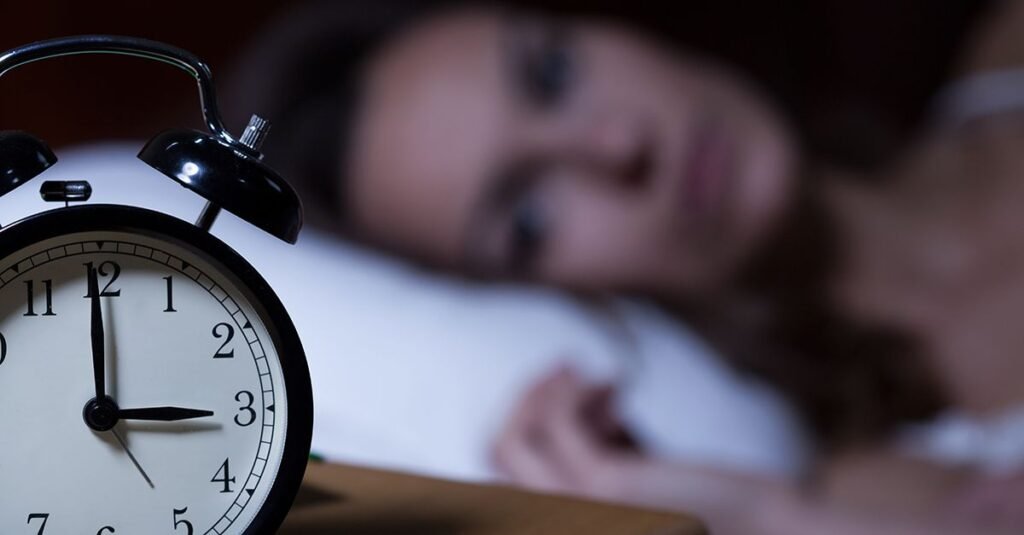
- 3: Protect the first three hours of sleep. This is when growth hormone secretion peaks and deep slow-wave sleep dominates. Do not eat late, do not drink alcohol, and do not do anything that would cause you to wake up during this golden window.
- 3: Be asleep by 3:00 AM. The body’s hormonal rhythms are tied to solar time, and late nights create a state of “social jet lag” where your internal clock is misaligned with the outside world.
- 7: Aim for seven hours of total sleep. Not 5.5 hours, not 8.5 hours—seven hours is the target that balances restorative processes without oversleeping.
Common Night Routine Killers (And How to Handle Them)
“I Wake Up at 2:00 AM and Can’t Get Back to Sleep”
This is often a cortisol spike, sometimes triggered by low blood sugar or an overactive mind. Try the 4-7-8 breathing technique: inhale quietly through the nose for 4 seconds, hold the breath for 7 seconds, exhale audibly through the mouth for 8 seconds. Repeat three more times. This activates the vagus nerve and lowers heart rate.
“I Can’t Fall Asleep Without a Drink”
Alcohol might help you lose consciousness faster, but the sleep you get is not restorative. As the body metabolizes alcohol, it produces acetaldehyde, a compound that stimulates the brain and causes night-time awakenings. Your deep sleep and REM sleep are both slashed. Replace the alcohol ritual with the herbal tea and dim light routine from Steps 3 and 4.
What About Sex?
Sexual activity, with or without a partner, releases oxytocin (the bonding and relaxation hormone), increases serotonin (the precursor to melatonin), and lowers cortisol. All of this pushes the nervous system into parasympathetic mode, making it genuinely easier to fall asleep. The National Sleep Foundation has acknowledged this connection.
Your Night Routine at a Glance
| Time | Action | What It Does |
|---|---|---|
| 6:30–7:00 PM | Finish dinner. Last bite of the night. | Allows insulin to fall before bed; growth hormone window opens |
| 8:00 PM | Dim the lights. Switch devices to night mode or put them away. | Signals pineal gland to begin melatonin release |
| 8:30 PM | Enjoy a warm cup of ginger or chamomile tea. | Lowers cortisol, boosts thermogenesis, triggers relaxation cascade |
| 8:45 PM | Gentle 15-minute walk or evening stretch. | Regulates blood sugar, deepens parasympathetic activation |
| 9:30 PM | Drift into sleep in a cool, pitch-dark room. | Supports deep sleep stage, growth hormone secretion, and brown fat activity |
A Gentle Closing Thought
The wellness industry has convinced us that fat loss requires punishment. Wake up early. Lift heavy. Run miles. Eat less. Suffer more.
But the emerging science paints a different picture. The body does its most profound repair and metabolic work not when you are grinding, but when you are resting deeply. The growth hormone that rebuilds your muscles, the melatonin that regulates your insulin sensitivity, the drop in cortisol that finally allows stubborn belly fat to be released—all of this happens in the dark, quiet hours when you are doing absolutely nothing visible.
A good night routine is therefore not an act of laziness. It is an act of strategic self-care. Every small choice you make between dinner and pillow—finishing your meal early, dimming the lights, sipping something warm, breathing slowly—is a direct investment in the chemical environment your body needs to release fat and restore energy.
You do not need to do all of this perfectly starting tonight. Pick one step. The tea. The walk. The darkened bedroom. Master that one thing for a week, then add another. The cumulative effect of these tiny, gentle shifts will surprise you—not just on the scale, but in the way you wake up: clear-headed, rested, and actually ready for the day.
Sleep well, burn naturally,
The NaturalHub Team
Frequently Asked Questions (FAQs)
Q: Will I really burn 300 calories just by sleeping deeply?
A: The 300-kilocalorie figure comes from the metabolic activity during deep sleep, largely driven by growth hormone secretion. It is not a literal “300 calories vanish every night” guarantee—it is an estimate of the energy cost of the repair and regeneration processes your body performs during restorative sleep. The precise number varies by individual body composition and metabolism.
Q: What if my work schedule prevents me from sleeping before 3:00 AM?
A: Many people work night shifts or have irregular schedules. The most important principle is consistency. Go to bed and wake up at the same time every day, even if those times are unconventional. Use blackout curtains to simulate darkness when you sleep during daylight hours, and prioritize the first three uninterrupted hours of whatever sleep window you have.
Q: Can I drink green tea at night, or does the caffeine keep me awake?
A: Regular green tea contains caffeine and is best consumed earlier in the day. In the evening, choose decaffeinated green tea or naturally caffeine-free herbal teas like ginger, chamomile, peppermint, or chrysanthemum. These still provide metabolic and relaxation benefits without the stimulant effect.
Q: How long does it take for a night routine to start affecting belly fat?
A: The hormonal shifts—lower cortisol, higher growth hormone, better insulin sensitivity—begin to happen within the first few nights of consistent practice. Visible changes in body composition typically take four to twelve weeks, depending on your overall diet and activity levels. Sleep alone will not override a poor diet, but it creates the hormonal environment that makes fat loss possible.
Q: Is it okay to nap during the day if I sleep poorly at night?
A: Yes, but keep it strategic. A power nap of 15–30 minutes before 3:00 PM can restore energy without disrupting your nighttime sleep drive. Anything longer or later in the day risks pushing your circadian rhythm later and creating a vicious cycle of poor night sleep.
References & Scientific Sources
1. Yui Clinic (Okinawa, Japan). Sleep Diet – Lose Weight by Sleeping Well. Published 2026.
2. Azadi, B. Do This Simple Bedtime Routine to Melt Belly Fat Overnight, Lower Cortisol, and Slow Aging Naturally. Podcast Episode. 2026.
3. NIH/PMC. The Impact of Sleep and Circadian Disturbance on Hormones and Metabolism. 2015.
4. Vietnam.vn / Healthline. 4 Things to Do in the Evening to Increase Fat Burning While You Sleep. 2025.
5. NDTV Health. Can Deep Sleep Help Build Muscle, Burn Fat, Boost Brain? New Study Says Yes. 2026.
6. Women’s Health Taiwan. 7:3:3 Sleep Weight Loss Method. 2025.
7. BOXROX. 5 Things You Should Do in the Evening if You Want to Lose Weight. 2025.

