



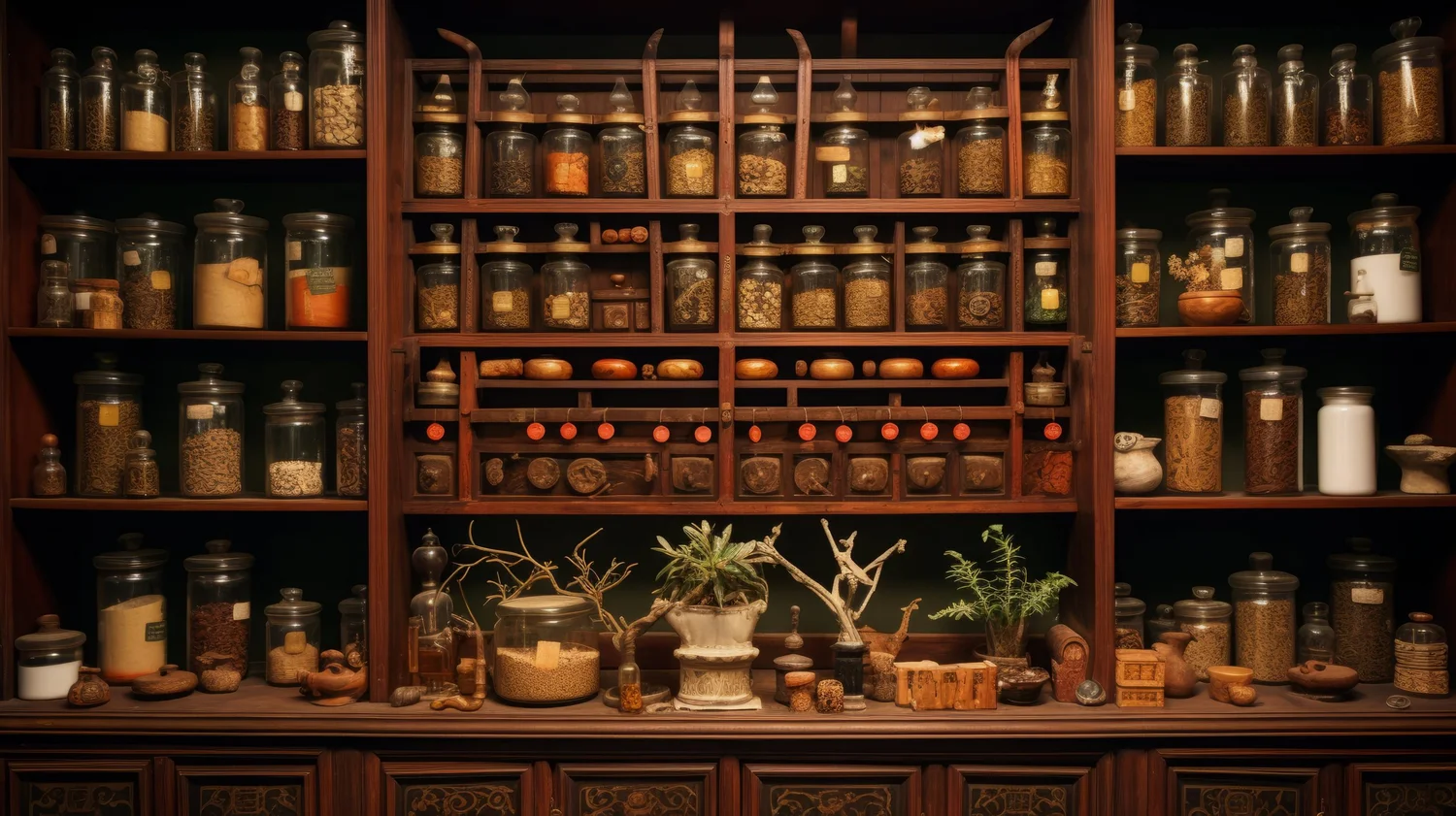
Introduction
Living with an autoimmune condition can often feel like an uphill climb, where your own body — designed to protect and heal you — becomes the source of persistent inflammation, pain, and fatigue. Affecting approximately 3–5% of the global population, autoimmune diseases ranging from rheumatoid arthritis and lupus to Hashimoto’s thyroiditis and psoriasis represent one of the fastest-growing categories of chronic illness.
For many, the conventional route of long-term immunosuppressive medication brings its own challenges, including limited efficacy and adverse side effects, leaving patients searching for a gentler yet effective path forward. This growing desire for holistic healing has led millions to explore natural remedies for autoimmune disease.
Herbal medicine for autoimmune conditions offers a profoundly different approach. Rather than broadly suppressing an already confused immune system, specific botanical compounds work to modulate, soothe, and restore balance to inflammatory pathways. This is the essence of building a drug-free symptom management framework — not replacing your doctor, but empowering you with complementary tools that support the body’s innate drive toward equilibrium.
1. Understanding Autoimmune Conditions and the Herbal Opportunity

At its core, autoimmunity represents a state of lost self-tolerance. Aberrant autoreactivity of CD4+ T helper cells leads to a destructive cascade where Th1 cells produce interferon gamma (IFNγ) and Th17 cells produce IL-17, driving pathogenesis in conditions like systemic lupus erythematosus (SLE) and rheumatoid arthritis (RA). In simple terms, the immune system’s alarm is stuck in the “on” position, unleashing chronic inflammation against healthy tissue.
This therapeutic gap is precisely where herbal remedies for autoimmune flare-ups shine. Emerging clinical and pre-clinical evidence supports the use of specific botanicals in modulating immune pathways and reducing inflammation without the toxicity associated with long-term pharmaceutical use.
A literature review exploring complementary and alternative medicine for autoimmune disorders found that patients who integrate herbal remedies, dietary interventions, and mind-body practices report higher satisfaction and better pain management outcomes.
2. Core Pharmacological Actions: Why Herbs Excel in Autoimmune Care
Unlike isolated pharmaceutical drugs that target a single enzyme, medicinal herbs contain hundreds of phytoconstituents that work synergistically on multiple pathways. Key mechanisms include:
- Immunomodulation, not suppression: Herbs like berberine redress the Treg to Th17 cell ratio by inducing regulatory T cell differentiation and influencing gut microbiome composition.
- NF-κB pathway inhibition: Berberine and curcumin inhibit NF-κB gene expression, reducing production of inflammatory cytokines like IL-1β, IL-6, and TNF-α.
- Antioxidant protection: Botanicals rich in polyphenols neutralize free radicals, reducing tissue damage and slowing disease progression.
- Gut-immune axis modulation: With over 80% of the immune system residing in the gut, herbs that repair the intestinal barrier and promote beneficial bacteria play a foundational role in any autoimmune protocol.
3. Building Your Herbal Medicine Cabinet: The 7 Essential Categories
Category 1: Immunomodulators — The Intelligent Balancers
These herbs are the cornerstone of any drug-free symptom management framework. They help recalibrate the immune response, calming overactive Th1 and Th17 pathways while supporting regulatory T cell function.
| Herb | Key Compound(s) | Mechanism of Action |
|---|---|---|
| Berberine (Goldenseal, Oregon Grape, Barberry) | Isoquinoline alkaloid | Inhibits Th1/Th17 differentiation; promotes Treg cells; suppresses NF-κB and pro-inflammatory cytokines IL-1β, IL-6, IL-17 |
| Rehmannia glutinosa | Catalpol, iridoid glycosides | Modulates immune pathways in lupus and RA; supports adrenal function and reduces autoreactivity |
| Cordyceps militaris | Cordycepin, polysaccharides | Balances Th1/Th2 ratio; enhances regulatory immune function; studied in lupus and RA |
Category 2: Systemic Anti-Inflammatories — Cooling the Internal Fire
- Turmeric (Curcuma longa): Curcumin inhibits multiple inflammatory molecules including TNF, prostaglandins, thromboxane, and leukotrienes.
- Boswellia serrata (Indian Frankincense): Boswellic acids stop 5-lipoxygenase, reducing leukotrienes. Clinically reduces joint pain and swelling in RA.
- Ginger (Zingiber officinale): Gingerol and shogaol suppress pro-inflammatory pathways and down-regulate inflammatory gene expression including NF-κB, linked to multiple sclerosis and psoriasis.
Category 3: Gut Barrier Restoratives — Healing at the Root
Intestinal permeability (“leaky gut”) is increasingly recognized as a trigger and perpetuator of autoimmune pathology.
- Slippery Elm (Ulmus rubra): Rich in mucilage that coats and soothes the entire GI tract lining.
- Marshmallow Root (Althaea officinalis): Provides demulcent properties, reducing gut inflammation and supporting mucosal repair.
- Licorice Root — Deglycyrrhizinated (DGL): Supports the integrity of the gastric and intestinal mucosa. Note: whole licorice with glycyrrhizin may be immunostimulatory.
Category 4: Hepatic and Detoxification Support
Reducing the total toxic burden — from environmental pollutants, metabolic waste, and inflammatory byproducts — can significantly reduce immune activation.
- Milk Thistle (Silybum marianum): Silymarin protects liver cells, supports phase II detoxification, and has independent anti-inflammatory effects.
- Dandelion Root (Taraxacum officinale): A gentle hepatic tonic that supports bile flow and elimination of metabolic waste.
- Rosmarinic Acid (from Rosemary, Lemon Balm, Perilla): Demonstrates immunoregulatory and antioxidant properties studied in autoimmune rheumatic disorders.
Category 5: Adaptogens for the Stress-Immune Axis
Chronic stress elevates cortisol, which over time dysregulates the HPA axis and directly fuels autoimmune flares.
- Ashwagandha (Withania somnifera): Supports cortisol regulation and has immunomodulatory properties. Best used under professional guidance as it has immunostimulatory potential.
- Holy Basil (Tulsi): Demonstrated anti-inflammatory activity comparable to aspirin and ibuprofen, while also supporting the body’s stress response.
- Reishi Mushroom (Ganoderma lucidum): Contains triterpenes and polysaccharides that modulate immune function. Requires caution in certain autoimmune contexts — personalization is key.
Category 6: Nervines for Pain and Sleep
Autoimmune pain and sleep disruption create a vicious cycle: pain prevents restorative sleep, and poor sleep amplifies inflammation and pain perception.
- Chamomile (Matricaria recutita): A gentle nervine that eases tension and promotes sleep without sedation.
- Passionflower (Passiflora incarnata): Supports GABA pathways, easing anxiety and improving sleep quality.
- Jamaican Dogwood (Piscidia piscipula): A traditional remedy for nerve pain and migraine associated with autoimmune conditions; use under guidance.
Category 7: Circulatory and Lymphatic Movers
Stagnation of lymph and blood contributes to pain, stiffness, and poor tissue healing in autoimmune arthritis and related conditions.
- Prickly Ash (Zanthoxylum americanum): A diffusive circulatory stimulant that improves peripheral blood flow.
- Cleavers (Galium aparine): A gentle lymphatic tonic supporting clearance of metabolic waste.
- Cayenne (Capsicum annuum) — Topical: Capsaicin creams deplete substance P, reducing pain transmission in joints affected by RA.
4. A Critical Caution: 15 Herbs with Immunostimulatory Properties
Many “natural remedies” blog posts encourage boosting the immune system — but this can be exactly the wrong approach for autoimmune conditions where the immune system is already dangerously overactive.
A landmark systematic scoping review published in Lupus Science & Medicine identified 227 herbal supplements with immunostimulatory properties. The 15 herbs with the most robust evidence for stimulating immune responses are:
Alfalfa, ashwagandha, astragalus, chlorella, echinacea, garlic, ginseng, green tea extract, Indian mulberry, liquorice, mistletoe, reishi mushroom, skullcap, spirulina, and tinospora.
This does not mean these herbs are universally harmful for autoimmunity — their effects are bidirectional and context-dependent. Always consult a qualified herbalist or integrative practitioner before adding immunomodulatory herbs to your protocol. What works beautifully for one person may flare another.
5. Your Personal Drug-Free Symptom Management Framework
Phase 1 — Weeks 1–4
Foundation: Gut Healing and Toxic Burden Reduction
- Eliminate known dietary triggers (gluten, dairy, processed foods).
- Begin gut-restorative protocol: Slippery Elm or Marshmallow Root tea twice daily.
- Support liver clearance with Milk Thistle and Dandelion Root.
- Focus on nutrient-dense, anti-inflammatory foods: leafy greens, omega-3-rich fish, turmeric-spiced meals.
Phase 2 — Weeks 3–8
Inflammation Cooling
- Introduce Turmeric (curcumin) with black pepper and a fat source for absorption.
- Add Boswellia serrata for joint and systemic inflammation.
- Incorporate Ginger as a daily culinary and therapeutic spice.
- Begin gentle lymphatic support with Cleavers tea or dry skin brushing.
Phase 3 — Weeks 6–12 (with professional guidance)
Immune Modulation
- Under supervision, consider berberine-containing herbs (Goldenseal, Oregon Grape) for short-term immunomodulation.
- Evaluate whether adaptogens like Holy Basil or Ashwagandha are appropriate for your specific condition.
- Introduce Rehmannia or Cordyceps if relevant to your autoimmune profile.
Phase 4 — Ongoing
Maintenance and Stress Resilience
- Rotate anti-inflammatory herbs to prevent tolerance.
- Maintain gut health with probiotic foods (fermented vegetables if tolerated).
- Prioritize sleep and stress management with nervines as needed.
- Regular check-ins with your healthcare team to monitor progress.
6. Lifestyle Foundations: The Non-Negotiable Pillars
Even the most potent herbal medicine cabinet cannot compensate for a lifestyle that fuels inflammation. Integrate these five pillars:
- Anti-inflammatory nutrition: The Autoimmune Protocol (AIP) diet — removing grains, dairy, legumes, nightshades, eggs, nuts, and seeds — has been shown to reduce inflammation and improve symptoms in autoimmune patients.
- Circadian-aligned sleep: Prioritize 7–9 hours of sleep in a completely dark room with consistent sleep-wake times. Autoimmune flares and poor sleep are bidirectionally linked.
- Gentle, consistent movement: Regular exercise is a natural anti-inflammatory. Yoga in particular has proven effective in the treatment of many rheumatic diseases.
- Stress modulation: Chronic stress is a proven trigger for autoimmune flares. Daily meditation, breathwork, and time in nature directly reduce inflammatory cytokines.
- Environmental toxin reduction: Minimize exposure to endocrine disruptors, pesticides, and heavy metals through clean water, air purification, and organic food choices.
7. Five Common Beginner Mistakes to Avoid
- Using immunostimulatory herbs unintentionally. Echinacea and astragalus are excellent for fighting colds but may theoretically flare autoimmune conditions. Know the difference between immunomodulation and immunostimulation.
- Stopping medication abruptly. Herbal medicine is a complementary approach. Never discontinue prescribed medications without your doctor’s supervision.
- Expecting instant results. Herbal medicine works gently and deeply. Allow 6–12 weeks of consistent use before evaluating effectiveness.
- Ignoring gut health. Focusing solely on anti-inflammatory herbs while continuing to eat gut-damaging foods severely limits progress.
- Self-prescribing without guidance. The complexity of autoimmune conditions demands professional oversight. Work with a naturopathic doctor or clinical herbalist who understands your specific condition.
8. Frequently Asked Questions
Q1: Can herbal medicine really help manage autoimmune conditions?
Yes, but through intelligent modulation, not a “cure.” Botanicals like berberine, curcumin, and Boswellia have been clinically studied and shown to reduce inflammatory markers, modulate T-cell ratios, and improve symptoms in conditions such as rheumatoid arthritis and lupus. The goal is complementing — not replacing — conventional care.
Q2: How is a drug-free symptom management framework different from just taking supplements?
This framework integrates herbal medicine, dietary changes, gut healing, stress management, and lifestyle optimization into a cohesive, personalized system. It addresses the root drivers of autoimmunity rather than simply suppressing symptoms.
Q3: Are there any herbs I should absolutely avoid if I have an autoimmune disease?
A systematic review identified 15 herbs with strong immunostimulatory evidence, including echinacea, astragalus, alfalfa, and spirulina. However, responses are highly individual. Professional guidance is essential.
Q4: How long before I notice improvements from herbal remedies?
Acute anti-inflammatory effects from herbs like ginger and turmeric may be felt within days. Deeper immunomodulatory shifts typically take 6–12 weeks of consistent use, particularly when combined with dietary and lifestyle changes.
Q5: Can I build an herbal medicine cabinet on a budget?
Absolutely. Start with affordable staples: dried turmeric, ginger, chamomile, and slippery elm powder. Many bulk herb suppliers offer loose, organic herbs at accessible prices. Grow your own Holy Basil or Lemon Balm in a pot for fresh, zero-cost medicine.
Q6: What is the best diet to pair with herbal autoimmune management?
The Autoimmune Protocol (AIP) diet is the most research-aligned approach. It removes common inflammatory triggers — grains, dairy, legumes, eggs, nightshades, nuts, and seeds — and emphasizes nutrient-dense vegetables, quality proteins, and healing fats. Reintroduction phases help identify personal food sensitivities.
Conclusion: Your Empowered Healing Journey Starts Now
The path of managing an autoimmune condition naturally is about empowerment, curiosity, and a deepening relationship with plants and practices that have supported human health for millennia. By building a thoughtful, evidence-informed herbal medicine cabinet, you are choosing to become an active participant in your healing, working in partnership with your body rather than against it.
This framework integrates the best of what modern science reveals about immunomodulation — from berberine’s Treg-balancing effects to curcumin’s NF-κB inhibition — with the timeless wisdom of holistic, whole-body care. True healing happens through the daily, cumulative choices we make: the food on our plate, the herbs in our cup, the quality of our sleep, and the way we manage life’s inevitable stresses.
Start small. Choose one herb from Category 1 to research more deeply. Sip a cup of ginger-turmeric tea tonight. Begin the conversation with an integrative practitioner who can guide your unique path. Your herbal medicine cabinet for autoimmune conditions is waiting to be built.
Disclaimer: This article is for educational and informational purposes only and does not constitute medical advice. Always seek the advice of a qualified healthcare provider regarding any medical condition. Never disregard professional medical advice or delay seeking it because of something you have read on NaturalHub.

