



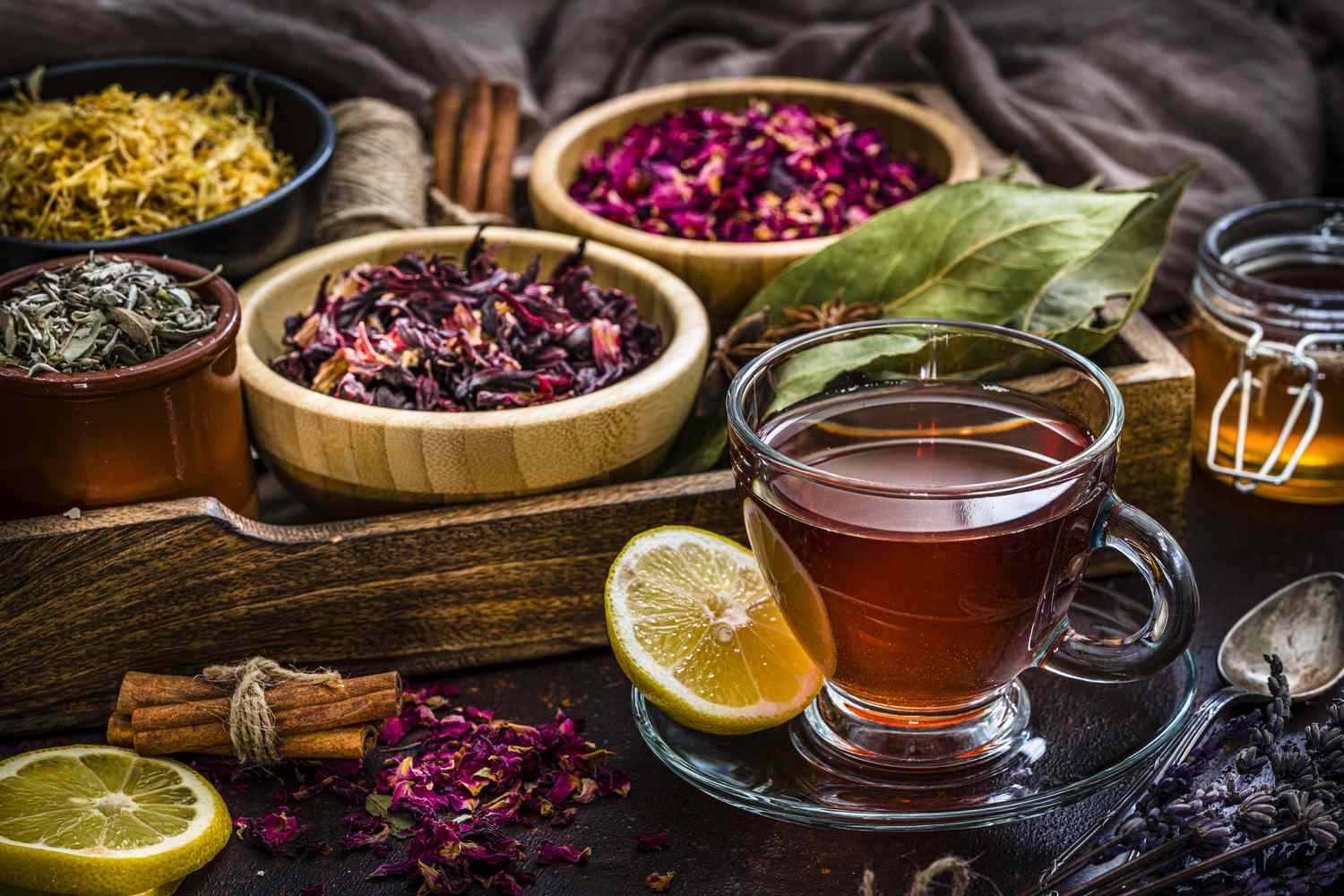
Imagine wrapping your hands around a warm mug filled with herbs grown right in your kitchen garden — knowing that every sip is doing something good for your body. That’s the beauty of herbal tea recipes. They’re simple, affordable, and surprisingly powerful when you know which herbs to reach for.
Whether you’re a complete beginner or someone who’s always curious about natural remedies, this guide has you covered. You don’t need a herbalist degree or a specialty store — most of these ingredients are already in your spice rack.
Let’s brew something wonderful.
Why Herbal Teas Deserve a Spot in Your Daily Routine
Herbal teas — also called herbal infusions or tisanes — have been used for thousands of years across cultures from Ayurveda to Traditional Chinese Medicine. Unlike caffeinated teas, most herbal blends are naturally caffeine-free, making them suitable for morning, afternoon, or bedtime use.
Modern wellness research supports many traditional uses. From chamomile’s calming properties to ginger’s digestive support, these homemade herbal remedies offer a gentle, plant-based approach to everyday health.
Here’s what makes them worth your time:
- Easy to prepare — most steep in 5 to 10 minutes
- Cost-effective compared to supplements or store-bought teas
- Customizable to your specific health goals
- Free from artificial flavors or preservatives
- A mindful ritual that helps you slow down
The 10 Best Herbal Tea Recipes to Make at Home 
1. Immunity Booster Ginger Turmeric Tea
This golden blend is one of the most popular natural herbal infusions for health. Ginger and turmeric are both loaded with anti-inflammatory compounds that may help support your immune defenses throughout the year.
Ingredients:
- 1 tsp fresh grated ginger (or ½ tsp dried)
- ½ tsp turmeric powder
- Pinch of black pepper (activates curcumin absorption)
- 1 tsp raw honey
- 1.5 cups water
How to Brew:
- Bring water to a gentle boil in a small saucepan.
- Add ginger and turmeric. Simmer for 8–10 minutes.
- Remove from heat. Strain into a mug.
- Add black pepper and honey once slightly cooled.
- Sip warm, ideally in the morning.
Benefits: Anti-inflammatory, antioxidant-rich, immune support. Storage Tip: Make a bigger batch of ginger-turmeric paste and refrigerate for up to a week.
2. Calm Sleep Chamomile Lavender Tea
Struggling to wind down at night? This classic blend is a trusted bedtime herbal tea recipe that may help ease anxiety and support deeper, more restful sleep. The combination of chamomile and lavender works beautifully together.
Ingredients:
- 1 tbsp dried chamomile flowers
- 1 tsp dried lavender buds (food-grade)
- ½ tsp lemon balm (optional, enhances calm)
- 1 tsp honey or a splash of oat milk
How to Brew:
- Heat water to 90°C — just below boiling, not a rolling boil.
- Pour over herbs in a strainer or tea infuser.
- Steep for 5–7 minutes. Do not over-steep or it turns bitter.
- Sweeten lightly and drink 30 minutes before bed.
Benefits: Sleep support, anxiety relief, nervous system calming. Storage Tip: Pre-blend dried chamomile and lavender in a jar so it’s ready every evening.
3. Peppermint Digestive Blend
Peppermint is one of the most well-researched herbs for digestive comfort. This light, refreshing herbal tea recipe can help with bloating, indigestion, and that heavy after-meal feeling that derails your afternoon.
Ingredients:
- 1 tbsp fresh or dried peppermint leaves
- ½ tsp fennel seeds (lightly crushed)
- ¼ tsp dried ginger
How to Brew:
- Crush fennel seeds lightly with a spoon or mortar.
- Combine all herbs and steep in just-boiled water for 5 minutes.
- Strain and enjoy after meals — not before, as peppermint may relax the lower esophageal sphincter.
Benefits: Bloating relief, improved digestion, stomach cramping support.
4. Tulsi Stress Relief Tea
Tulsi, or holy basil, is revered in Ayurveda as an adaptogen — a plant that helps the body adapt to physical and mental stress. This clove-kissed herbal tea recipe is a comforting mid-afternoon ritual for anyone navigating a demanding day.
Ingredients:
- 6–8 fresh tulsi leaves (or 1 tsp dried)
- 2 whole cloves
- ¼ tsp cinnamon powder
- 1 tsp jaggery or honey
How to Brew:
- Simmer tulsi, cloves, and cinnamon in 1.5 cups water for 6 minutes.
- Strain into your favorite mug.
- Sweeten with jaggery or honey.
- Best drunk mid-afternoon or after a stressful workday.
Benefits: Stress reduction, mental clarity, adaptogenic support.
5. Lemon Ginger Detox Tea
This zesty natural herbal infusion supports liver function and digestion while giving you a clean energy lift — no caffeine required. It’s one of the best morning herbal tea recipes to reset your system.
Ingredients:
- 1 tsp freshly grated ginger
- Juice of ½ lemon
- 1 tsp raw apple cider vinegar (optional)
- 1 tsp honey
- 1 pinch cayenne pepper
How to Brew:
- Steep grated ginger in hot water for 5 minutes.
- Remove from heat. Add lemon juice, ACV, and honey.
- Add a tiny pinch of cayenne for a metabolism boost.
- Stir, strain, and sip.
Benefits: Liver support, digestive detox, natural energy.
6. Cinnamon Cardamom Heart-Warming Tea
A cozy spiced brew that may help support healthy blood sugar levels and circulation. Think of it as chai’s gentle, herbal cousin — warming and deeply satisfying on a cold afternoon.
Ingredients:
- 1 cinnamon stick (or ½ tsp powder)
- 3 green cardamom pods, lightly crushed
- 1 tsp dried rose petals (optional, adds floral softness)
- 1 tsp honey
How to Brew:
- Simmer cinnamon and cardamom in 1.5 cups water for 10 minutes.
- Add rose petals in the final minute of steeping.
- Strain and sweeten lightly.
Benefits: Circulation support, blood sugar balance, warming comfort.
7. Hibiscus Berry Antioxidant Tea
This ruby-red herbal tea recipe is as beautiful as it is beneficial. Hibiscus is rich in anthocyanins and vitamin C, making it one of the most vibrant homemade herbal remedies you can brew — great hot or iced.
Ingredients:
- 1 tbsp dried hibiscus flowers
- 1 tsp dried rosehip (optional)
- ½ tsp dried elderberry
- Honey and a slice of orange to serve
How to Brew:
- Steep all herbs in just-boiled water for 6 minutes.
- Strain into a glass, add orange slice and honey.
- Enjoy hot or cooled over ice for a refreshing summer drink.
Benefits: Antioxidant-rich, skin health support, heart health.
8. Licorice Root Sore Throat Tea
Licorice root has been used for centuries to help soothe inflamed throats and support respiratory comfort. This is the herbal tea recipe to reach for during cold and flu season or when seasonal allergies flare up.
Ingredients:
- 1 tsp dried licorice root (sliced)
- 1 tsp dried thyme leaves
- ½ tsp slippery elm bark (optional)
- Honey and lemon to taste
How to Brew:
- Simmer licorice root in water for 8 minutes — it needs a longer steep.
- Add thyme in the last 3 minutes.
- Strain, add honey and lemon generously, and sip slowly.
Benefits: Throat soothing, respiratory support, antimicrobial properties. Note: Avoid licorice root in large quantities if you have high blood pressure.
9. Ashwagandha Golden Milk Tea
Ashwagandha is one of Ayurveda’s most celebrated adaptogenic roots. Blended with warm spices and milk, this nighttime natural herbal infusion may help support hormonal balance, reduce cortisol, and promote deep relaxation.
Ingredients:
- ½ tsp ashwagandha root powder
- ½ tsp turmeric
- ¼ tsp cinnamon
- 1 cup warm milk (dairy or plant-based)
- 1 tsp honey or maple syrup
How to Brew:
- Gently warm — do not boil — your milk on the stove.
- Whisk in all powders until smooth.
- Sweeten and pour into a mug.
- Drink 30–45 minutes before bed.
Benefits: Adaptogenic support, sleep quality, hormonal balance, cortisol reduction. Tip: Start with a smaller dose of ashwagandha (¼ tsp) and gradually increase.
10. Dandelion Root Liver Cleanse Tea
Dandelion root is a gentle, underrated hero in the world of homemade herbal remedies. It may help support liver detoxification, improve bile flow, and encourage natural, healthy digestion — especially useful if you eat a rich diet.
Ingredients:
- 1 tsp roasted dandelion root (dried)
- ½ tsp burdock root (optional)
- 1 tsp lemon juice
- Honey to taste
How to Brew:
- Simmer dandelion root in 2 cups water for 10 minutes.
- Add burdock root in the last 4 minutes if using.
- Strain, add lemon juice and honey.
- Best on an empty stomach first thing in the morning.
Benefits: Liver support, natural detox, digestive health, bile production.
Pro Tips for Brewing the Perfect Cup Every Time
The golden rule: Temperature and steeping time matter more than most people realize. Most herbal teas do best at 90–95°C. Boiling water can destroy delicate volatile compounds in flowers and leaves.
- Fresh vs. dried herbs: Dried herbs are more concentrated — use roughly half the quantity you’d use fresh.
- Storage: Keep dried herbs in airtight glass jars away from direct sunlight. Most stay potent for 6–12 months.
- Sweeten naturally: Raw honey, jaggery, stevia leaf, or maple syrup all work beautifully without refined sugar.
- Batch prep: Make 2–3 cups at once and refrigerate for up to 48 hours. Reheat gently — don’t microwave on full power.
- Source wisely: Look for organic, food-grade dried herbs from a trusted local health store or reputable online supplier.
- One new herb at a time: When trying something new, introduce it on its own first so you can observe how your body responds.
How to Build a Simple Daily Herbal Tea Ritual
One of the most overlooked aspects of these herbal tea recipes is the ritual itself. Making tea mindfully — without screens or distractions — becomes a quiet act of self-care.
Here’s a simple daily structure:
- Morning (6–8 am): Lemon Ginger Detox or Dandelion Root to wake up your digestive system.
- Midday (12–2 pm): Tulsi Stress Relief or Peppermint Digestive Blend after lunch.
- Evening (7–9 pm): Chamomile Lavender or Ashwagandha Golden Milk to wind down before sleep.
Consistency matters more than quantity. One cup a day, chosen with intention, can make a meaningful difference over time.
Frequently Asked Questions
Can I drink herbal teas every day? Yes — most of these herbal tea recipes are gentle enough for daily use. That said, some herbs like licorice root and ashwagandha are best consumed in rotation rather than continuously. If you’re pregnant, nursing, or on any medications, it’s wise to consult a healthcare professional before starting a new herbal routine.
Are dried herbs as effective as fresh ones? Absolutely. Dried herbs are simply more concentrated — their essential oils and compounds are preserved through careful drying. In fact, many herbalists prefer dried herbs for consistency and year-round availability. Use approximately half the quantity compared to fresh.
Can I combine multiple herbal tea recipes? You can, but start slowly. Blending too many herbs at once makes it harder to know which one is helping — or causing any reaction. Begin with simple two-herb blends, get comfortable with them over a couple of weeks, then experiment further.
How long before I notice results? You may feel some effects immediately — peppermint for digestion, for example, works quickly. For deeper benefits like improved sleep quality or better stress resilience, allow 2–4 weeks of consistent daily use before evaluating.
Where can I find good quality dried herbs? Local health food stores, Ayurvedic pharmacies, and reputable online herb suppliers are your best options. Always check for harvest dates, and choose herbs stored in sealed, opaque packaging to preserve potency.
Conclusion: Your Wellness, One Cup at a Time
Herbal tea recipes are more than just drinks — they’re a doorway into a more intentional, nature-connected way of caring for your health. The ten blends in this guide cover everything from morning energy to nighttime recovery, and every single one can be made in your kitchen with minimal effort.
You don’t need expensive supplements or complicated routines. Sometimes the most powerful thing you can do for your wellbeing is steep a handful of herbs, sit quietly, and drink with intention.
Start with one recipe this week. Try the Immunity Booster if you want to feel more resilient, the Chamomile Lavender blend if sleep is your priority, or the Peppermint Digestive Tea if meals have been leaving you uncomfortable.
Share your creations on social with #NaturalHubTeas — we’d love to see your brews!

