



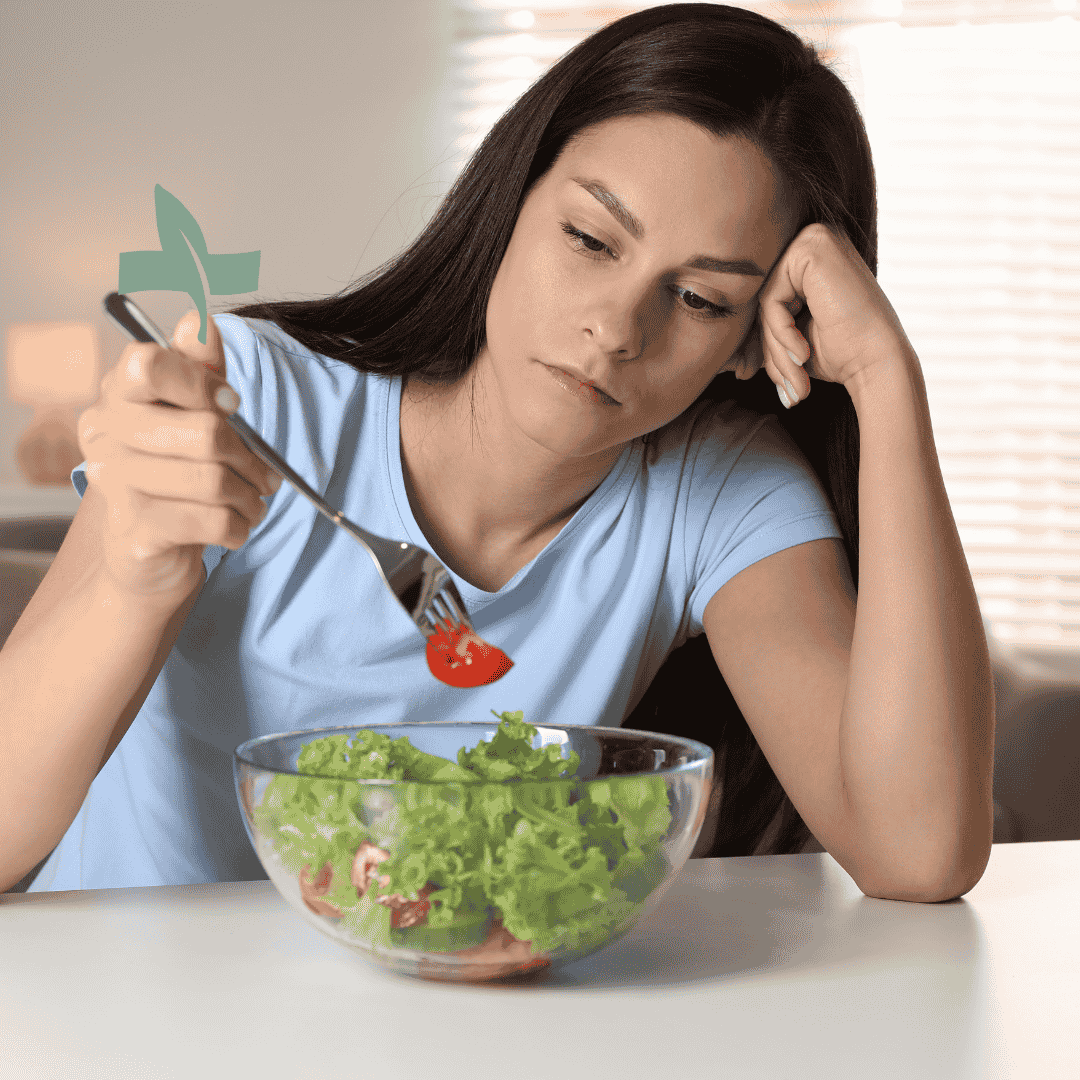
Some tiredness lives deeper than sleep can reach. The kind where you cry at a commercial you have seen a hundred times. Where your jeans fit fine on Tuesday and feel like a tourniquet by Thursday. Where your period arrives like a surprise party you specifically asked not to have.
If this sounds familiar, I need you to hear something important: you are not broken, and you are not losing your mind. Your hormones are simply speaking a language you were never taught to understand. And once you learn that language, everything shifts.
Hormones are not abstract medical concepts that live in a textbook. They are the quiet conductors of your daily experience—your energy, your focus, your patience for the person driving 15 miles per hour in the fast lane, your ability to fall asleep and stay asleep, and yes, where your body decides to store fat.
At NaturalHub, we looked at the current research up through 2026, and one message comes through louder than anything: natural diet is the most accessible, daily lever you have to influence your hormonal health. Not the only lever. But the one you touch three times a day, every single day.
This guide is not a rigid meal plan designed by someone who has never had a real food craving. It is a map. A way to understand what your body is asking for and how to answer.
Why Your Hormones Care What You Eat (The System Behind the Symptoms)
Before we talk about which foods to reach for, let’s talk about why food even matters. Because once you understand this mechanism, you will never look at your plate the same way again.
Your endocrine system is like a web of delicate chemical conversations. Estrogen, progesterone, cortisol, insulin, thyroid hormones—they are all talking to each other constantly. And the raw materials for those conversations come directly from what you eat.
Think about that. The avocado you had at lunch? It becomes part of the structure of your progesterone. The salmon you ate for dinner? Its omega-3 fats calm the inflammatory signals that otherwise scream at your ovaries to panic. The fiber in your oatmeal? It escorts old, used estrogen out of your body so it does not recirculate and cause trouble.
What Is the Estrobolome and Why Does It Matter?
There is a relatively new concept in this field that changes everything: the estrobolome. It is the collection of bacteria in your gut that specifically handles estrogen metabolism. When your gut is happy and diverse, these bacteria package up spent estrogen and send it out through digestion, nice and tidy.
When your gut is compromised—from stress, processed food, antibiotics, lack of fiber—that estrogen gets unpacked and reabsorbed into your bloodstream. This is a massive driver of “estrogen dominance,” that state where your estrogen is not necessarily sky-high in absolute terms, but is sky-high relative to your progesterone. The result? Heavy periods, breast tenderness, bloating, and mood swings that feel like emotional whiplash.
So when we talk about a hormone balance diet, we are not talking about eating a magic handful of seeds and being cured. We are talking about feeding the entire system: the glands that make the hormones, the liver that processes them, and the gut that clears them out.
The Five Hormonal Pillars (And How to Feed Each One)
Most articles throw a list of “superfoods” at you without context. But not all hormone imbalances are the same. PCOS and perimenopause are two very different hormonal stories — and each one calls for a different plate. Let’s break this down by the specific hormonal system you are trying to support.
Pillar 1: Blood Sugar and Insulin – The Foundation Everything Sits On
If you take nothing else from this guide, take this: you cannot balance your sex hormones if your blood sugar is a rollercoaster. Insulin is a master hormone. When it spikes too high, too often, it sends a cascade of signals that disrupt ovulation, raise inflammatory androgens, and make PCOS symptoms worse.
What a blood-sugar-friendly plate looks like:
- Protein at every meal (eggs, fish, lentils, paneer, Greek yogurt)
- Fiber alongside your carbohydrates (vegetables, beans, chia seeds)
- Smart carbs rather than refined ones (millets, brown rice, quinoa instead of white bread and sugary cereals)
- A splash of something acidic on starches—lemon juice on rice, vinegar on potatoes—because acid literally blunts the glucose spike
This is not about fear of carbs. It is about respect for the insulin response. Pair your carbs with protein and fiber, and your body handles them completely differently.
Pillar 2: Estrogen Metabolism – Use It, Move It, Clear It
Estrogen is not the enemy. It is a vital, life-giving hormone. But estrogen that is not properly processed and eliminated becomes a problem. Your liver does the heavy lifting of breaking estrogen down, and your gut is responsible for carrying it out. So foods that support both organs are non-negotiable.
Cruciferous vegetables are the stars here. Broccoli, cauliflower, cabbage, Brussels sprouts, kale. They contain a compound called indole-3-carbinol (I3C) that supports the liver’s preferred, gentler pathway for breaking down estrogen. When you chew these vegetables, you activate this compound. So eat them cooked or raw, but eat them daily. One to two cups is the sweet spot.
Ground flaxseed is another heavy hitter. The lignans in flaxseed bind to estrogen receptors in a way that is gently modulating—if your estrogen is too high, flax can have a tamping-down effect. One tablespoon daily, ideally freshly ground, is a simple habit with profound effects.
Fiber in general—from whole grains, legumes, vegetables, and fruits—keeps the gut moving so that conjugated estrogen exits the body rather than being reabsorbed. Aim for 25 to 35 grams of fiber daily. If that number sounds intimidating, add one high-fiber food at a time. Lentils in your soup. Chia seeds in your water. Oats for breakfast. It adds up.
Pillar 3: Progesterone Support – The Calming Hormone
Progesterone is your body’s natural calming agent. It soothes the nervous system, promotes deep sleep, and balances the stimulating effects of estrogen. But in our high-stress, under-eating, over-caffeinated culture, progesterone often gets shortchanged.
Progesterone is sensitive to stress for a specific biological reason: the raw material (pregnenolone) that your body uses to make progesterone can get “stolen” to make cortisol instead. This is called the “pregnenolone steal,” and it means that chronic stress directly lowers your progesterone levels.
What helps: magnesium-rich foods in the evening. Pumpkin seeds, almonds, spinach, dark chocolate. Magnesium calms the nervous system and supports the body’s ability to make progesterone. Vitamin B6 from chickpeas, poultry, and bananas is also important for progesterone production.
Equally important: eating enough. Severe calorie restriction is a direct threat to progesterone. Your body interprets famine conditions as a terrible time to ovulate, and it shuts down progesterone production. Regular, adequate meals with protein and healthy fat are a form of hormonal safety signaling.
Pillar 4: Stress Hormone Regulation – Cortisol and the Adrenals
Cortisol is not a villain either. You need it to wake up in the morning and to respond to genuine emergencies. But when cortisol stays elevated all day—from constant low-grade stress, from skipping meals, from too much caffeine, from poor sleep—it wreaks havoc on every other hormonal system.
Dietary strategies for cortisol regulation focus on anti-inflammatory, antioxidant-rich foods and blood sugar stability (because a blood sugar crash triggers a cortisol spike).
Foods that help lower the cortisol load:
- Berries, especially blueberries. Recent research highlights their anthocyanins as compounds that interact with the body’s stress-response system and help modulate cortisol output.
- Omega-3 fatty acids from fatty fish, walnuts, and flaxseed. These fats are directly anti-inflammatory and have been shown to help blunt the cortisol response to stress.
- Magnesium-rich foods again, because magnesium deficiency amplifies the stress response.
- Dark leafy greens for their B-vitamins and minerals that support adrenal function.
And you also need to talk about what you are not eating: high-dose caffeine and alcohol. Caffeine triggers an adrenaline and cortisol release. If your stress hormones are already frayed, adding caffeine is like whipping a tired horse. Alcohol disrupts sleep architecture (so you get less restorative deep sleep) and places a detoxification burden on the liver, which is already trying to process your hormones.
Pillar 5: The Gut-Hormone Loop
Your gut bacteria do not just digest food. They produce signaling molecules that travel throughout your body. They influence your immune system. They decide whether your hormones are excreted or recirculated. And they are shaped directly by what you eat.
Fermented foods introduce beneficial bacteria directly into the ecosystem. Yogurt, kefir, sauerkraut, kimchi, live kombucha—these are not fancy health foods; they are tools for building a microbiome that supports hormonal health.
Prebiotic foods feed those bacteria. Garlic, onions, leeks, asparagus, slightly under-ripe bananas, and cooked-then-cooled potatoes (which develop resistant starch) are all potent prebiotics.
What harms the gut-hormone loop? Ultra-processed foods, excess sugar, chronic alcohol, and certain medications. A 2025 article from a major health publisher noted that the gut is so central to hormone detoxification that poor gut health directly leads to excess hormones lingering in the body and causing symptoms.
Hormonal Support Through the Life Stages
Your hormones are not static. The diet that serves you at 25 is different from what you need at 45. Here is how to shift your focus as you move through life.
During Your Menstrual Years
The priority here is ovulatory support and iron repletion. If your cycles are regular, your focus is on blood sugar stability to support consistent ovulation, and iron-rich foods (spinach paired with vitamin C from lemon or bell pepper to boost absorption) during and after your period. If you have PCOS, the emphasis shifts hard toward insulin management—protein at breakfast, fiber at every meal, and a short walk after eating.
During Perimenopause
This is the phase of hormonal fluctuation, often starting in the late 30s or early 40s. Progesterone begins to decline before estrogen does, which creates a relative state of estrogen dominance. The priority foods here are cruciferous vegetables and ground flaxseed daily to support estrogen clearance, plus magnesium-rich foods in the evening to support sleep and mood. Soy foods—tofu, tempeh, edamame—can start to play a gentle balancing role because their isoflavones have a mild estrogen-modulating effect.
During Menopause
Post-menopause, estrogen is consistently low. This changes your body’s needs. Calcium and vitamin D become critical for bone health. Healthy fats—olive oil, avocado, nuts, seeds—provide the building blocks for the small amounts of estrogen still produced by your adrenal glands and fat tissue. Anti-inflammatory foods like berries and turmeric help manage the underlying inflammation that drives many menopause symptoms. And phytoestrogen-rich foods like soy and flaxseed can provide a gentle, non-pharmaceutical modulation of estrogen receptors.
A 2025 review highlighted that while hormone replacement therapy remains the primary intervention for severe menopause symptoms, dietary strategies targeting the estrogen-gut axis represent a powerful complementary approach.
The Foods That Quietly Sabotage Your Hormones
You cannot out-supplement a diet that is working against you. Here are the foods that consistently show up in the research as disruptors, and what to do about them.
Refined Sugar and Ultra-Processed Carbohydrates
These spike insulin, which then triggers a cascade of inflammatory and androgenic effects. A diet high in refined sugar is linked to worse PMS, more irregular cycles, and increased PCOS symptoms. You do not need to eliminate sugar entirely. But making it an occasional treat rather than a daily staple changes the game.
Excess Caffeine
Caffeine consumption can worsen PMS symptoms like breast tenderness and irritability, and it can disrupt sleep, which in turn disrupts every hormonal system. Consider cutting off caffeine by early afternoon, or experimenting with a gentler option like green tea (which contains calming L-theanine alongside its lower caffeine content).
Routine Alcohol Consumption
Alcohol places a heavy burden on the liver—the same liver you are relying on to process your hormones. It also disrupts sleep architecture and can trigger hot flashes in perimenopausal women. The research is consistent: limiting alcohol to occasional, not daily, is best for hormonal health.
Ultra-Processed Foods
These are the packaged snacks, sugary drinks, and ready meals that make up a large portion of the modern diet. They feed inflammatory gut bacteria, disrupt the microbiome, and contribute to the gut permeability that allows toxins and improperly processed hormones to enter circulation.
A Day on the Hormone Balance Diet
This is not a prescription. It is a template. Pick and choose what sounds doable and appealing.
Morning (Within 60-90 Minutes of Waking)
Scrambled eggs with sautéed spinach and a slice of whole-grain toast with a drizzle of olive oil. A handful of berries on the side. Herbal tea or green tea instead of a large coffee.
Why this works: Protein within the first hour stabilizes blood sugar for the entire morning. The fiber from the greens and berries supports gut health. The healthy fat from olive oil and eggs provides hormone building blocks.
Lunch
A bowl with cooked lentils or chickpeas, brown rice or millet, a generous pile of shredded cabbage and grated carrot, a drizzle of tahini or olive oil, and a big squeeze of lemon.
Why this works: Legumes provide fiber and protein. The cabbage is a cruciferous superstar. The lemon blunts the glucose spike from the rice. The healthy fat supports hormone synthesis.
Afternoon Snack (If Needed)
A small apple with 10 to 12 almonds, or a cup of plain yogurt with ground flaxseed.
Why this works: Fiber, healthy fat, and protein in combination keep blood sugar steady between meals and prevent the mid-afternoon slump that leads to sugar cravings.
Dinner
A piece of baked salmon or a tofu-broccoli stir-fry over quinoa, with a side of sautéed greens and a sprinkle of sesame seeds.
Why this works: Omega-3s from the salmon calm inflammation. Broccoli supports estrogen metabolism. Quinoa provides protein and fiber. The meal is light enough for good digestion overnight but substantial enough to prevent late-night snacking.
Evening Ritual
A warm cup of chamomile tea or rooibos tea. A small square of dark chocolate (70% or higher) if you want something sweet.
Why this works: A caffeine-free evening tea supports the parasympathetic shift into rest mode. Dark chocolate is rich in magnesium, which helps relax the nervous system.
Practical Tips That Make This Sustainable

- Batch cook your beans and grains. Spend an hour on Sunday cooking a pot of lentils or chickpeas and a batch of brown rice or quinoa. Having these in the fridge makes assembling a hormone-supportive bowl take five minutes.
- Keep ground flaxseed in the fridge. Grind a week’s worth and store it cold to protect the delicate oils. Sprinkle a tablespoon on anything—oats, yogurt, salads, soups.
- Put a bottle of lemon juice or vinegar on the table. If you forget to add acid to your starches, a quick drizzle before eating still helps blunt the glucose response.
- Do not aim for perfection. A hormone-balancing diet is what you do most of the time, not every single meal. A piece of birthday cake will not undo weeks of cruciferous vegetables. The stress of being too rigid is itself hormonally disruptive.
- Listen honestly to your body. Track how you feel after different meals. When do you have energy? When do you crash? Your body is giving you constant feedback. The skill is learning to hear it.
When Food Is Not Enough: Signs You Need Medical Support
Nutrition is powerful. But it has limits. There are situations where diet alone cannot fix what is happening hormonally, and waiting too long to seek help can cause unnecessary suffering.
See a doctor if you experience:
- Extremely heavy periods (soaking through a pad in an hour)
- Cycles consistently shorter than 21 days or longer than 35 days
- No period for three months or more
- Sudden unexplained weight changes
- Severe acne or male-pattern hair growth
- Hot flashes that ruin your sleep
- Any new breast discharge
These are not signs of failure. They are signs that your body needs a level of investigation and support that goes beyond the kitchen. A hormone-balancing diet is an incredible foundation, and it works beautifully alongside medical care when that care is needed.
Frequently Asked Questions About Hormone Balance Diet
Can food really balance my hormones, or do I need medical treatment?
Food steadies the daily signals that drive hormone production and clearance—insulin, cortisol, estrogen processing, gut metabolites. For many women, consistent dietary changes significantly reduce symptoms. However, food does not cure structural or endocrine diseases. Think of nutrition as creating a stable, low-noise environment so your hormones can function optimally. If you have a diagnosed condition or severe symptoms, nutrition works alongside medical care, not as a replacement for it.
How long does it take to feel a difference from a hormone-balancing diet?
Some changes—like stabilized blood sugar and reduced afternoon crashes—can be felt within a few days of shifting to protein-rich, fiber-filled meals. Hormonal changes related to menstrual cycles typically take two to three cycles to become noticeable, because the follicles that will ovulate in your next cycle are already developing now. Give it at least 90 days of consistency before evaluating.
Do I need to cut out dairy and soy to balance my hormones?
Not necessarily, and the blanket advice to remove these foods is not supported by evidence for most women. Soy contains phytoestrogens that can have a gentle balancing effect, especially during perimenopause. Dairy is a rich source of protein and calcium. Some specific protocols (for certain types of PCOS or endometriosis) may suggest a dairy-free trial, and some women do feel better without it. But for general hormone balance, quality dairy and whole soy foods are not the enemy.
What is the single most important food change I can make?
If you change only one thing, let it be this: eat protein and fiber at breakfast. A protein-rich breakfast within an hour of waking sets your blood sugar curve for the entire day. This single habit has a ripple effect on insulin, cortisol, energy, and cravings that touches every other hormonal system.
Are phytoestrogens safe, or do they mess up my hormones?
Phytoestrogens from whole foods like flaxseed, soy, and lentils are not the same as the xenoestrogens found in plastics and pesticides. Whole-food phytoestrogens are significantly weaker than your body’s own estrogen. They bind to estrogen receptors gently and can actually have a balancing, modulating effect—blocking stronger estrogens when levels are too high and providing mild support when levels are low. The fear around phytoestrogens has been largely debunked by the last decade of research.
The Bottom Line: Your Body Is Not Broken
Your hormonal system is not something to battle or control. It is something to understand and support—like a garden, not a machine.
The foods we have explored in this guide are not medicine in the pharmaceutical sense. They are not a quick fix. They are the consistent, daily materials your body needs to do what it already knows how to do: regulate, repair, and rebalance.
Some days you will eat the cruciferous vegetables. Some days you will eat the pastry. Both days belong to a full, human life. The goal is not perfection. The goal is a pattern that supports your body so steadily that the occasional outlier meal is background noise, not a derailment.
Pick one thing from this guide. The ground flaxseed. The protein breakfast. The evening tea. Do it for a week. Notice how you feel. Let that feeling guide the next step.
Your body has been waiting for you to understand its language. This is the beginning of that conversation.
With warmth and science,
The NaturalHub Team
Disclaimer: This article is for educational purposes only and does not constitute medical advice. Always consult with a healthcare provider before making significant changes to your diet, especially if you are pregnant, nursing, or taking prescription medications.

