



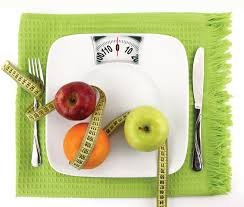
The most natural way to lose weight naturally is not through restriction, pills, or punishment — it is through working with your body, not against it. Natural weight management supports your metabolism, hormones, sleep, and stress response so that excess weight comes off steadily and crucially, stays off for good.
For millions of people, conventional weight-loss approaches fail — not because of willpower — but because they fight the body instead of working with it. Natural weight management is different. It supports your body’s own systems — metabolism, hormones, digestion, sleep, and stress — so that excess weight comes off steadily and stays off.
📌 Quick Summary: Sustainable natural weight loss targets 1–2 lbs (0.5–1 kg) per week through nutrition, movement, sleep, stress management, and herbal support — not deprivation.
Why Choose Natural Weight Management?
The global weight-loss industry is worth over $250 billion — and yet obesity rates have never been higher. Most commercial solutions target symptoms without addressing root causes: hormonal imbalance, chronic stress, poor sleep, and processed food dependency.
Natural weight management addresses the actual root causes:
- Metabolic health: Whole foods and movement improve insulin sensitivity and fat-burning capacity
- Hormonal balance: Adequate sleep regulates ghrelin (hunger) and leptin (fullness) hormones
- Gut health: Fiber-rich eating feeds beneficial bacteria that influence metabolism and cravings
- Stress response: Managing cortisol prevents stress-driven abdominal fat storage
- Inflammation: Anti-inflammatory herbs and foods reduce the low-grade inflammation linked to weight gain
→ Internal Link: Understanding Your Metabolism: A Beginner’s Guide to Burning Fat Naturally
The 4 Science-Backed Pillars of Natural Weight Loss
These four pillars work synergistically. Neglect one and the others become less effective. Master all four and you create the conditions your body needs to reach and maintain a healthy weight.
Pillar 1: Nutrient-Dense Eating — Fuel, Not Restriction
The most common mistake in weight loss is treating food as the enemy. Natural weight management flips this: food becomes the primary tool for healing your metabolism and managing hunger without deprivation.
What to prioritize:
- Fiber-rich vegetables and legumes: Slow digestion, reduce blood sugar spikes, and feed gut bacteria. Aim for 25–35g of fiber daily.
- Quality protein at every meal: Protein is the most satiating macronutrient. Eggs, lentils, chicken, Greek yogurt, and fish are excellent choices.
- Healthy fats: Avocado, olive oil, and nuts slow gastric emptying and keep hunger at bay for hours.
- Whole grains over refined carbs: Oats, brown rice, and quinoa provide sustained energy without blood sugar crashes.
- Hydration: Drinking 500ml of water before meals is shown to reduce calorie intake by up to 13%.
💡 Practical Tip: Build meals using the “Plate Method” — half plate non-starchy vegetables, quarter protein, quarter complex carbs. This naturally controls portions without calorie counting.
Pillar 2: Herbal Allies — Nature’s Metabolic Support
| Herb / Plant | Evidence-Based Benefit | How to Use |
|---|---|---|
| Green Tea (EGCG) | Increases fat oxidation by 10–16% (meta-analysis, AJCN) | 2–3 cups daily or standardized extract |
| Ginger | Improves digestion, reduces inflammation, modest thermogenic effect | Fresh in meals, ginger tea, or capsules |
| Turmeric (Curcumin) | Reduces inflammatory markers; improves insulin sensitivity | Golden milk, curries, or supplement with black pepper |
| Apple Cider Vinegar | Reduces post-meal blood sugar and mild appetite suppression | 1 tsp diluted in water before largest meal |
| Cinnamon | Improves insulin sensitivity and reduces fasting blood glucose | Sprinkle on oats, smoothies, or herbal tea |
| Fenugreek | High soluble fiber slows carb absorption and reduces hunger | Seeds soaked overnight or capsule form |
⚠️ Always check herb-drug interactions with your healthcare provider, especially if you take medications for blood sugar, blood pressure, or thyroid.
Pillar 3: Movement + Stress Reduction — The Cortisol Connection
Chronic stress is one of the most underestimated barriers to weight loss. Elevated cortisol drives fat storage — particularly visceral abdominal fat — while simultaneously increasing cravings for high-calorie foods.
Movement for natural weight loss doesn’t need to be intense:
- Daily walking: A 30-min brisk walk burns 150–200 calories and significantly reduces cortisol. A 10-minute post-meal walk reduces blood sugar spikes by up to 30%.
- Strength training 2–3×/week: Builds lean muscle, raising resting metabolic rate. Each kilogram of muscle burns ~13 extra calories per day at rest.
- Yoga and breathwork: Directly lower cortisol and reduce emotional eating triggers. Even 10 minutes of diaphragmatic breathing activates the parasympathetic nervous system.
- NEAT (Non-Exercise Activity Thermogenesis): All movement outside formal exercise can account for 200–400 extra calories burned daily.
→ Internal Link: Breathwork and Stress Reduction: How to Lower Cortisol Naturally
Pillar 4: Sleep Optimization — The Overlooked Fat-Loss Tool
Poor sleep is a weight-loss saboteur — and it operates through multiple pathways simultaneously.
- Ghrelin and leptin disruption: Even one poor night raises ghrelin (hunger hormone) by 24% and lowers leptin — causing an average of 300–500 extra calories consumed the following day.
- Insulin resistance: Sleep deprivation impairs glucose metabolism within days, making fat storage more likely.
- Cortisol elevation: Poor sleep raises morning cortisol, reinforcing the stress-fat storage cycle.
Evidence-based sleep improvement strategies:
- Maintain consistent sleep and wake times — even on weekends
- Keep bedroom cool (18–20°C / 65–68°F) — optimal for deep sleep
- Avoid screens 60 minutes before bed — blue light suppresses melatonin
- Chamomile, ashwagandha, and passionflower teas have clinical evidence for improving sleep quality
Target: 7–9 hours per night. Sleeping fewer than 6 hours increases obesity risk by 30% compared to adequate sleepers.
→ Internal Link: How Sleep Affects Your Weight: The Science of Rest and Fat Loss
Your 7-Day Natural Weight Loss Starter Plan

| Day | Nutrition Focus | Movement | Mindset / Sleep |
|---|---|---|---|
| Mon | High-fiber breakfast (oats + berries + flaxseed) | 20-min morning walk | Set a consistent bedtime — keep it all week |
| Tue | Add green tea before lunch | Bodyweight squats + wall push-ups (15 min) | 5 min diaphragmatic breathing before bed |
| Wed | Plate method for lunch and dinner | 30-min brisk walk | No screens 1 hour before sleep |
| Thu | Replace sugary drinks with herbal or infused water | Yoga or gentle stretching (20 min) | Journal one win from today |
| Fri | Add turmeric + black pepper to dinner | 20-min walk + 10 bodyweight squats | Prep healthy snacks for weekend |
| Sat | High-protein breakfast (eggs + vegetables) | Active leisure: walk, swim, cycle, or play | Prioritize 8 hours sleep tonight |
| Sun | Batch cook for the week ahead | Rest or gentle walk | Review your wins — celebrate them |
→ Internal Link: 7-Day Anti-Inflammatory Meal Plan for Natural Weight Management
Age-Specific Considerations for Natural Weight Loss
Beginners and Young Adults (20s–30s)
- Start with one change per week rather than overhauling everything at once
- Use the 80/20 rule: eat well 80% of the time; enjoy flexibility 20%
- Aim for 1.2–1.6g protein per kg bodyweight to preserve muscle during weight loss
Busy Parents and Mid-Life Adults (30s–50s)
- Batch cook on Sundays — make healthy eating the path of least resistance
- Prioritize sleep over extra exercise if you must choose — sleep deprivation negates workout benefits
- Women in perimenopause: declining estrogen shifts fat to the abdomen; strength training 3×/week directly counteracts this
Seniors (60+)
- Increase protein to 1.6–2.0g per kg — older adults absorb protein less efficiently
- Resistance exercise is non-negotiable for metabolic health in this age group
- Drink water on a schedule — the thirst signal weakens with age
- Get medical clearance before significant dietary changes — medication interactions with herbs are more common in this group
8 Common Natural Weight Loss Mistakes to Avoid
- Skipping meals: Triggers cortisol, slows metabolism, and leads to overeating later
- Over-exercising too soon: High-intensity exercise without recovery raises cortisol and impairs fat loss
- Drinking calories: Juices, smoothies, lattes, and alcohol add hundreds of calories without triggering satiety
- Expecting linear progress: Weight fluctuates 1–3 lbs daily — judge progress weekly, not daily
- Treating herbs as shortcuts: Green tea and ginger support weight loss — the four pillars must come first
- Cutting carbs too aggressively: Very low-carb diets often fail long-term due to restriction fatigue
- Ignoring stress management: Chronic stress keeps cortisol elevated even with a perfect diet and exercise routine
- Not sleeping enough: No nutrition or exercise plan outperforms chronic sleep deprivation
Daily Movement Ideas: Small Habits With Big Metabolic Impact
- Walk to nearby destinations — 2,000 steps burns ~80–100 calories
- Stand 20–30 minutes per hour if you work at a desk
- 10 bodyweight squats every time you make a cup of tea or coffee
- 10-minute post-dinner walk — improves blood sugar regulation and fat oxidation
- Take phone calls standing or walking
- “Commercial break workout” — 10 squats, 10 lunges, 30-second plank during TV ads
→ Internal Link: NEAT Exercise: How Everyday Movement Transforms Your Metabolism
Frequently Asked Questions: Losing Weight Naturally
Q1: How much weight can I lose naturally per week? A safe and sustainable rate is 0.5–1 kg (1–2 lbs) per week. This pace preserves muscle, avoids hormonal disruption, and is far more likely to produce permanent fat loss.
Q2: Can I lose weight naturally without exercising? Yes — nutrition is the primary driver. However, exercise accelerates results, protects muscle mass, and supports long-term maintenance. Combining both is always superior to either alone.
Q3: Do herbal teas actually help with weight loss? Some do, modestly. Green tea (EGCG) has the strongest evidence — multiple meta-analyses show 10–16% increased fat oxidation. These are supportive tools, not primary strategies.
Q4: Why am I not losing weight despite eating well? Most common culprits: inadequate sleep, high chronic stress, hidden liquid calories, not enough protein, or underestimating portions of calorie-dense healthy foods (nuts, avocado, oils).
Q5: Is intermittent fasting a natural approach? Time-restricted eating (e.g., 16:8) can work naturally for some people. It is not appropriate for those with a history of disordered eating, pregnant women, or people on certain medications — always seek medical guidance.
Q6: How does stress cause weight gain? Cortisol increases appetite, triggers cravings for high-calorie foods, slows metabolism, and directly promotes abdominal fat storage. Managing stress is not optional for effective weight loss.
Q7: What is the best natural diet for weight loss? The Mediterranean diet has the most long-term evidence: rich in vegetables, legumes, whole grains, quality protein, and healthy fats, while limiting ultra-processed foods and added sugar.
Q8: Can poor sleep really prevent weight loss? Yes — strongly. Even two nights under 6 hours measurably raises ghrelin, lowers leptin, elevates cortisol, and impairs glucose metabolism. People sleeping fewer than 6 hours are 30% more likely to be obese.
Q9: How long does natural weight loss take? Improved energy and mood: 1–2 weeks. Measurable weight change: 3–4 weeks. Significant body composition change: 8–12 weeks of consistency. Think in seasons, not days.
Q10: Are weight loss supplements ever worth it? Most have no meaningful clinical evidence. The food-based herbs in this guide (green tea, ginger, turmeric, cinnamon) are the safest options with genuine evidence. Proprietary “fat burner” supplements should be avoided without medical guidance.
→ Internal Link: Supplement Safety: What to Take, What to Avoid, and What to Ask Your Doctor
⚠️ Medical Disclaimer: This article is for educational purposes only and is not a substitute for professional medical advice. Always consult your doctor or a registered dietitian before starting any weight management program, especially if you have diabetes, cardiovascular conditions, thyroid disorders, or are taking prescription medications.
Start Small. Stay Consistent. Let Your Body Do the Rest.
Losing weight naturally is not about willpower, punishment, or perfection. It is about understanding what your body actually needs — and giving it that, consistently, over time.
The person who walks 20 minutes every day and sleeps 8 hours will almost always outperform the person doing intense bursts of dieting before burning out. Boring, consistent, and sustainable beats exciting and short-lived every single time.
🌱 Your first step: Pick ONE change from the 7-day starter plan and implement it today. Just one. Tomorrow, add another. That is how sustainable change actually works.
Join the Natural Hub newsletter for weekly holistic health strategies and evidence-based guidance. Download the free Natural Weight Tracker to monitor your progress across all four pillars.

