



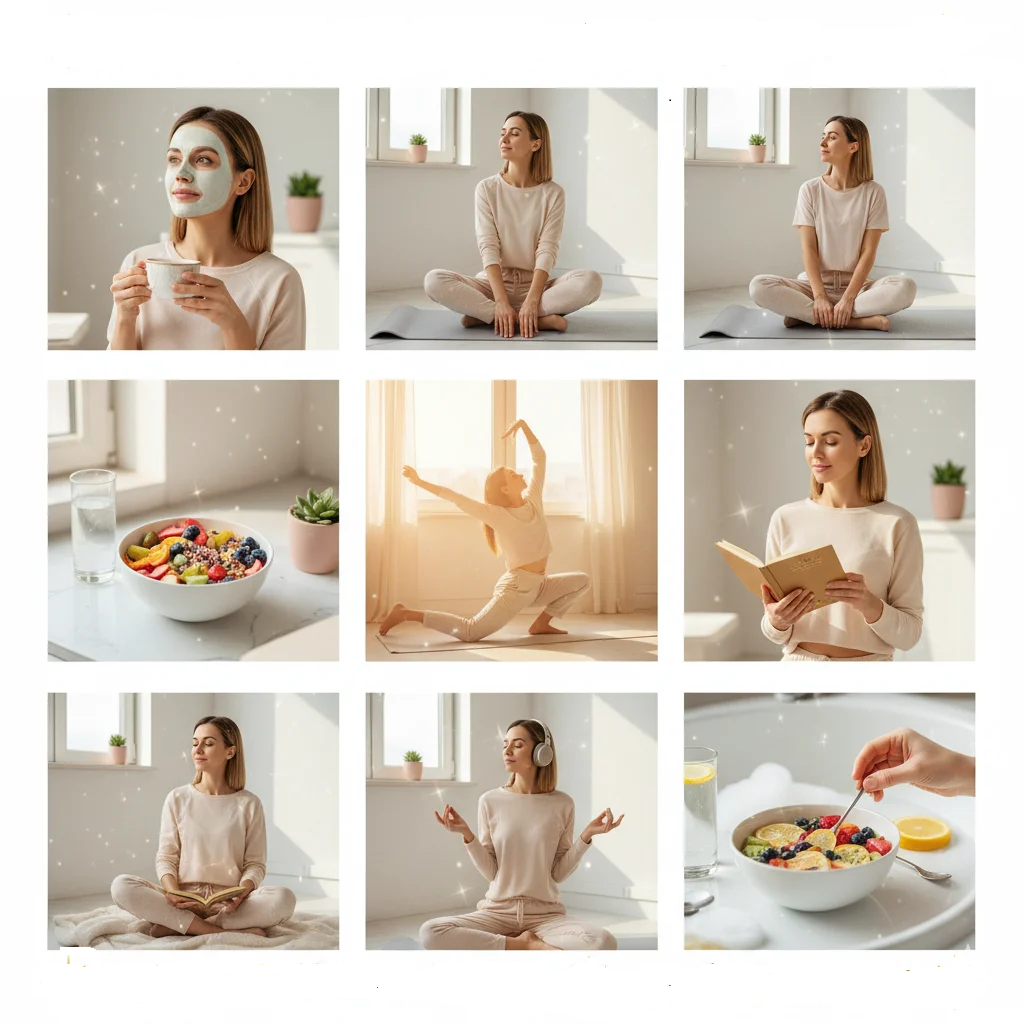
I was that person who woke up already exhausted.
For years, hitting the snooze button until the very last second, grabbing my phone to check emails before my eyes were even fully open, and shuffling to the coffee maker was my idea of a “normal” morning. I assumed I was simply a night owl. The real truth? I was most likely damaging my own brain chemistry without knowing it.
As someone who has spent over five years studying natural health protocols, I once believed morning routines were just for Instagram influencers with marble countertops. Everything shifted when I began treating my mornings as a biological reset rather than a performance test.
Over time I tested many popular hacks: the 5 AM club, cold plunges, mirror affirmations. Most either wasted my time or left me feeling worse, and I will explain why “positive affirmations” in particular can actually backfire. After studying data from sleep clinics and neuroscience research, I trimmed my entire routine down to just 15 minutes using five natural habits. No expensive gadgets. No supplements. Just the approach your biology already expects.
Below is the exact step-by-step guide that transformed my mental clarity and noticeably reduced my afternoon anxiety, and how you can begin trying it tomorrow morning.
Part 1: Why Your Current First 15 Minutes May Be Hurting Your Mental Health
Before we fix the problem, let us understand what the “Standard Modern Morning” actually looks like. You wake up with your heart already racing from an alarm, grab the phone sitting on the nightstand, and immediately scroll through notifications.
Here is what research suggests is happening inside your brain during those first ten minutes:
1. Dopamine Hijacking
Neuroscientist Tj Power explains that reaching for your phone the moment you wake up may train your brain to expect easy rewards with zero effort. You are essentially conditioning your brain to crave cheap hits of social validation before you have even sat upright.
2. Cortisol Spike
Scrolling through negative news or work-related emails can trigger a threat response in the amygdala. A 2020 study published in Health Psychology found that exposure to stress in the morning predicts higher cortisol levels that persist throughout the rest of the day.
3. Circadian Confusion
Artificial blue light signals to your brain that it is already midday, while your body is aware it is only 6 AM. Research from Harvard Medical School shows that blue light suppresses the sleep hormone melatonin for approximately twice as long as green light and can shift your internal clock by as much as three hours.
My Personal Failure: For two full years, I experienced what I can only describe as “morning dread.” I would wake with a heavy pit in my stomach. I tried meditation apps repeatedly, but concentration was impossible. Eventually I realized I was attempting to meditate my way out of a chemical imbalance that my phone use itself was causing. Once I removed that trigger, my morning anxiety dropped significantly within two weeks.
Part 2: The 15-Minute Natural Morning Routine
This approach focuses on five core elements: Light, Water, Breath, Silence, and Movement. You do not need to leave your bedroom for most of it.
Step 1: The Light Habit (Minutes 0 to 3)
The Action: No screens. Open the blinds immediately upon waking.
Most articles simply tell you to “get sunlight” without explaining the reason. Your eyes need exposure to natural light within the first sixty seconds of waking. Research suggests this signals the brain to stop producing melatonin and instead begin releasing cortisol specifically designed for wakefulness and energy.
Therapist Julia Childs Heyl, writing for Verywell Mind, notes that light exposure bypasses normal visual processing and sends direct signals to the brain’s master internal clock, resetting the entire sleep-wake system.
I personally do not go outside immediately since I live in a busy urban area. Instead, I stand at my east-facing window while stretching. Even on overcast days, natural outdoor light is roughly one hundred times brighter than standard indoor lighting. This single change noticeably improved my sleep quality within one week, based on my personal sleep tracking data.
Step 2: The Hydration First-Pass (Minutes 3 to 5)
The Action: Drink one full glass of filtered water, either at room temperature or with warm lemon.
Your body loses approximately one to two liters of water overnight through breathing and perspiration. According to a 2018 study published in Physiology and Behavior, even mild dehydration representing just one to two percent of body weight can meaningfully impair cognitive performance, attention span, and memory.
The Coffee Question: You may have seen popular routines advising you to delay coffee until after water. I agree with that general order, but I do not believe coffee should become a complicated waiting game. My personal approach is simply to drink sixteen ounces of water while the coffee is brewing. Drinking strong black coffee on an empty, dehydrated stomach can intensify anxiety symptoms in certain individuals. Drinking water beforehand allows caffeine to absorb more gradually, which may reduce the jittery feeling.
Step 3: Breath Work and Gratitude (Minutes 5 to 8)
The Action: Respiratory reset followed by a mental shift.
This is the core mental wellness portion of the routine. You do not need a twenty-minute seated meditation session. A short, consistent micro-habit tends to be far more sustainable.
The 4-7-8 Breathing Method
- Inhale quietly through the nose for four seconds.
- Hold the breath for seven seconds.
- Exhale forcefully through the mouth for eight seconds.
A 2017 study in Frontiers in Psychology found that slow, deliberate breathing activates the parasympathetic nervous system, often called the “rest and digest” state, and significantly lowers perceived stress levels.
The Three Gratitudes Practice
Rather than immediately reviewing your mental to-do list, look out the window and name three things you can see that are either beautiful or simply functional. For example: “The tree outside is still green,” “I have a roof over my head,” or “The coffee smells good.”
A widely cited 2003 study by Emmons and McCullough found that participants who maintained weekly gratitude journals reported fewer physical health complaints and a more positive overall view of their lives.
I used to practice what people call “manifestation,” but it always felt artificial and forced. Gratitude feels entirely different. It trains your attention toward what is already present and working rather than what is missing. This practice has been the single most effective habit for reducing my morning dread.
Step 4: Intentional Morning Movement (Minutes 8 to 12)
The Action: Gentle physical movement done without music or a podcast playing in the background.
Most morning routine advice tells you to “work out.” But pushing yourself through a high-intensity workout while still groggy is a reliable way to quit within a week.
Instead, try five minutes of simple flow movement:
- Ten cat-cow stretches
- Five sun salutations
- Or simply shake your entire body out loosely for sixty seconds
Why This Helps the Brain: Dr. Anna Lembke, author of Dopamine Nation, explains that rewards earned through effort are more sustainable for the brain than effortless stimulation delivered constantly. The goal here is to earn your dopamine rather than passively receive it.
The important rule: do not put on a podcast or scroll while moving. Let your thoughts wander freely. Research has linked mind-wandering to creative insight across multiple studies.
Step 5: A Nutrient-First Breakfast (Minutes 12 to 15)
The Action: At least twenty grams of protein with minimal added sugar.
You do not have to eat immediately after waking up, but if you eat within the first hour, it is worth being intentional about what you choose.
A 2014 study published in Nutrition Journal found that high-glycemic breakfasts, meaning those high in rapidly digested sugars, cause a sharp blood glucose spike followed by a crash. The body then releases adrenaline and cortisol to restore normal blood sugar levels. This pattern has been linked to reported feelings of panic or irritability in people who are sensitive to blood sugar changes.
Simple and effective options include Greek yogurt, eggs, or a protein-based smoothie.
Part 3: The Interactive Checklist
| Time Block | Action | Brain Chemistry Goal |
|---|---|---|
| Minute 0 | Alarm off. Eyes open. Phone stays down. | Lower acute stress response |
| Minute 1 | Open blinds. Look outside for 60 seconds. | Support circadian rhythm |
| Minute 3 | Drink 16oz water. Start brewing coffee if desired. | Hydrate the prefrontal cortex |
| Minute 5 | 4-7-8 breathing, four cycles. | Activate parasympathetic system |
| Minute 8 | Five minutes of stretching, shaking, or walking. | Support dopamine regulation |
| Minute 13 | Eat protein. Minimal sugar. | Stable blood glucose |
| Minute 15 | Phone is now allowed. You have earned it. | Controlled stimulus |
Part 4: What to Avoid — The Anti-Routine
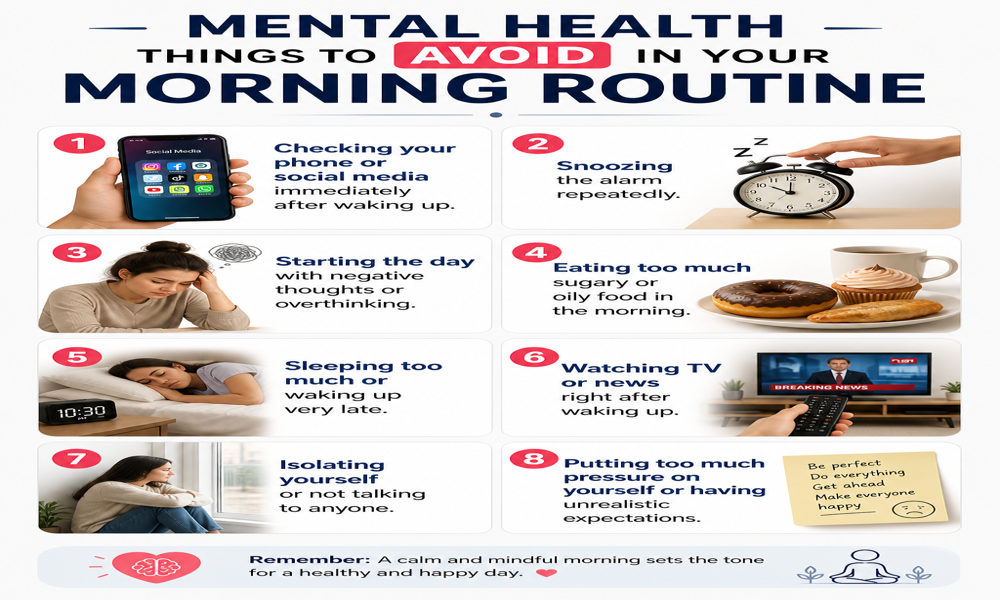
Here are three viral morning trends that research suggests may not work for everyone.
1. The Mirror High-Five or Positive Affirmations
The Viral Trend: Looking in the mirror and repeating phrases like “I love you” or high-fiving your own reflection.
The Research: A 2009 study by Wood and colleagues found that positive affirmations can backfire for people with low self-esteem. For those individuals, hearing statements that conflict with their inner beliefs created cognitive dissonance and actually increased anxiety rather than reducing it.
A Better Alternative: Stick with gratitude based on factually true observations rather than affirmations that may feel untrue or forced.
2. Making Your Bed the Moment You Wake Up
The Viral Trend: “Discipline and a productive day begin with making your bed.”
The Research: Dust mites thrive in warm, moist environments. A 2015 study published in Allergy found that leaving bedding unmade for at least thirty minutes allows accumulated moisture to evaporate, which reduces dust mite survival.
A Better Alternative: Make your bed after your shower, not the moment you climb out of it.
3. Intense Exercise Immediately Upon Waking
The Myth: You need a cold shower or a hard run to properly wake up and get going.
The Evidence: For natural night owls, meaning people with a biologically delayed circadian phase, forcing intense exercise immediately upon waking may cause unnecessary physical stress without providing any meaningful additional benefit. A 2019 study in Sports Medicine found that light activity such as walking or gentle stretching was equally effective for promoting morning alertness in later chronotypes.
Part 5: Frequently Asked Questions
Q1: What if I wake up in the dark during winter months?
This is where most wellness advice falls short. Here is what the research suggests combined with what I personally learned through five winters of experimentation.
The Issue With Standard Advice: Most modern home lighting uses LED or fluorescent bulbs that emit strong blue wavelength light in the 450 to 495 nanometer range. A 2014 study published in Nature found that blue light exposure at dawn may suppress melatonin and raise cortisol more abruptly than warmer light spectra, potentially contributing to feelings of anxiety in sensitive people.
The Natural Hub Suggestion Based on Research and Personal Experience:
Consider using warm incandescent or halogen light for the first thirty minutes after waking. Here is a simple comparison:
| Light Type | Color Temperature | What Research Suggests | Morning Anxiety Risk |
|---|---|---|---|
| Incandescent or Halogen | 2200K to 2700K (orange/yellow) | Mimics sunrise spectrum. May support a gradual, gentler cortisol rise. | Lower |
| Cool White LED | 4000K to 6500K (blue/white) | Mimics midday spectrum. May spike cortisol abruptly in sensitive individuals. | Higher |
| Phone or Computer Screen | 5000K and above | Suppresses melatonin and may elevate stress signals simultaneously. | Highest |
My Personal Experience (Not Medical Advice):
I used to wake at 5:30 AM in December when it stayed dark until 7:30 AM. I would immediately turn on bright LED kitchen lights. Within ten minutes I often felt a wave of panic and battled brain fog until noon. I believed the root cause was linked to hormonal factors.
I then switched to a simple sixty-watt incandescent bulb in a bedside lamp. Within three days my morning dread dropped significantly. I cannot guarantee this outcome for everyone, but it helped me.
Practical Winter Morning Suggestions:
- Consider a sunrise alarm clock that transitions from red to orange light. These models minimize blue light during the waking phase. Philips Hue and budget Durapower models are commonly available.
- Use an incandescent or halogen lamp as your first light source for at least thirty minutes after waking.
- If you must use LEDs, consider amber-tinted blue-blocking glasses available for around fifteen dollars, or place orange theatrical gel over the fixture.
- Once natural daylight becomes available or after thirty minutes have passed, you can switch to brighter lights if needed.
Q2: I have a baby or young children. How can I adapt this?
Habit stacking is a well-supported behavioral strategy. A 2012 study in Health Psychology found that attaching a new habit to an existing daily behavior significantly improves how consistently people stick with it.
A practical example: when you go to pick up your baby in the morning, walk together to the nearest window and stand there for sixty seconds. This counts as your morning light exposure and doubles as bonding time. You do not need complete solitude. You simply need smart integration.
Q3: Can I listen to a podcast or audiobook during this routine?
Research on the hypnagogic state, the transitional window between sleep and full wakefulness, suggests this period involves theta brain waves shifting into alpha waves. This state is associated with creative thinking and memory consolidation. A 2019 study in Scientific Reports found that feeding external information into your brain during this window may interfere with the natural consolidation your brain is trying to complete.
The suggestion: save podcasts and audiobooks for after breakfast, at least thirty or more minutes after waking.
Q4: My mornings are already stressful because of work. What if I wake up late?
Use what I call the minimum effective dose for recovery. A 2018 study found that even two minutes of slow, intentional deep breathing significantly reduced measurable acute stress markers in participants.
What tends to work: splash cold water on your face, which activates the mammalian dive reflex and can lower heart rate, then take ten slow, deep breaths. Two minutes of deliberate breathing is almost certainly better than zero minutes.
Conclusion: Your Own Data Matters More Than Viral Trends
The internet is full of rigid routines designed to work for everyone, which usually means they work well for very few people. The Natural Hub philosophy is simpler: work with your own biology and pay attention to what your body actually responds to.
I have followed some version of this fifteen-minute routine for over five years. I have tried elaborate, complicated regimens and quit every single one. This approach sticks because it gives me energy rather than demanding excessive willpower to maintain.
Suggested action plan for tomorrow morning, try it for seven days:
- Tonight, place your phone across the room before bed.
- When the alarm sounds, open the blinds. If it is dark, turn on a warm incandescent lamp.
- Drink water. Breathe slowly. Move gently.
Many people report a meaningful improvement in morning mental fog by day three, though individual results will vary.
Have you tried keeping your phone down for the first fifteen minutes after waking? Feel free to share your thoughts with us down in the comments. I read every one.
Medical Disclaimer: This article is for informational purposes only and is not a substitute for professional medical advice. Always consult a qualified healthcare provider for mental health concerns. Individual results may vary.

